
Tips for Buying Mountaineering Gear Online
Table of Contents
- Verify Safety Certifications and Standards for Climbing Equipment
- How to Size Mountaineering Boots Correctly Before Ordering
- Build Your Essential Mountaineering Gear Checklist
- Identify Counterfeit Gear and Verify Authenticity Online
- Compare Technical Specifications and Product Research
- Tips for Buying Mountaineering Gear Online Affordably
- Understand Return Policies, Warranties, and Shipping Restrictions
- Frequently Asked Questions
Last Updated: September 2, 2026
Verify Safety Certifications and Standards for Climbing Equipment
When buying mountaineering gear online, confirm that equipment meets recognized safety standards. The most critical certifications are CE ratings and UIAA standards. CE (Conformité Européenne) marks indicate European safety testing, while UIAA standards, set by the International Climbing and Mountaineering Federation, define performance requirements for harnesses, helmets, carabiners, and ropes.
Before purchasing load-bearing equipment, verify the certification directly on the product page. Reputable sellers display certification numbers prominently and cross-reference them with official databases. A harness marked CE EN 12277 or UIAA certified should include documentation proving third-party testing.
Counterfeit gear sometimes carries fake certification marks. The text should be crisp and permanent, not printed on a sticker. If a climbing helmet or harness seems suspiciously cheap with certification marks, that's a red flag, legitimate manufacturers invest in testing and don't discount certified gear by 60%.
Check the manufacturer's website to confirm the product model exists and matches the listing. Many counterfeit operations use real brand names with slightly altered model numbers.
How to Size Mountaineering Boots Correctly Before Ordering
Mountaineering boots are difficult to size online because fit depends on layering, sock thickness, and foot geometry. Most returns happen because boots arrive too tight or too loose.
Correct mountaineering boot size differs from street shoe size by 0.5 to 1.5 sizes, accounting for thick wool socks and insulating liners (peer-reviewed research). Measure your foot length in millimeters using a ruler on a flat surface, standing with your heel against the edge and measuring to your longest toe. Add 15-20mm to this measurement for your boot shell size.
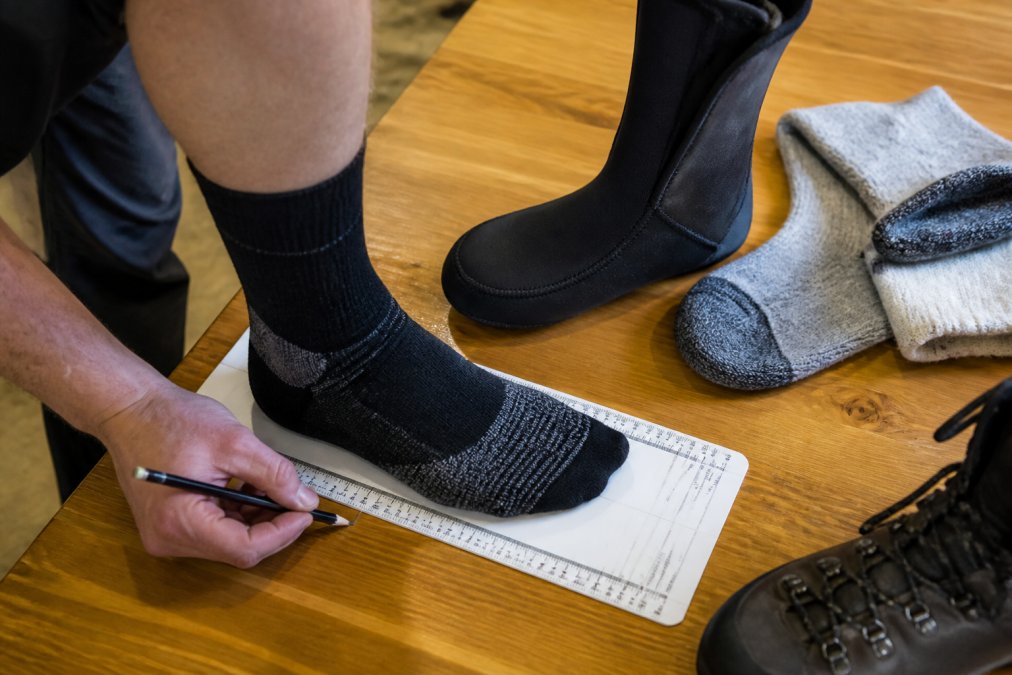
Three-season boots and alpine boots size differently. Three-season boots fit closer to your actual foot size, while alpine boots, built for extreme cold and technical terrain, require more room for multiple sock layers and insulating liners.
Wire toe bail systems affect fit significantly. These metal loops on the boot's toe allow crampons to attach securely but occupy internal space, making boots with wire toe bails fit tighter across the forefoot.
Boot liners add thickness, approximately 0.5 sizes. Try the boot on with the liner installed, as this is how you'll wear it in the field.
Request a sizing chart specific to the brand and model. Different manufacturers use different lasts (the wooden form used to shape the boot), so Salomon boots fit differently than La Sportiva boots at the same listed size. Read customer reviews mentioning fit, phrases like "runs narrow" or "generous in the heel" are invaluable.
Build Your Essential Mountaineering Gear Checklist
Core climbing equipment and technical gear
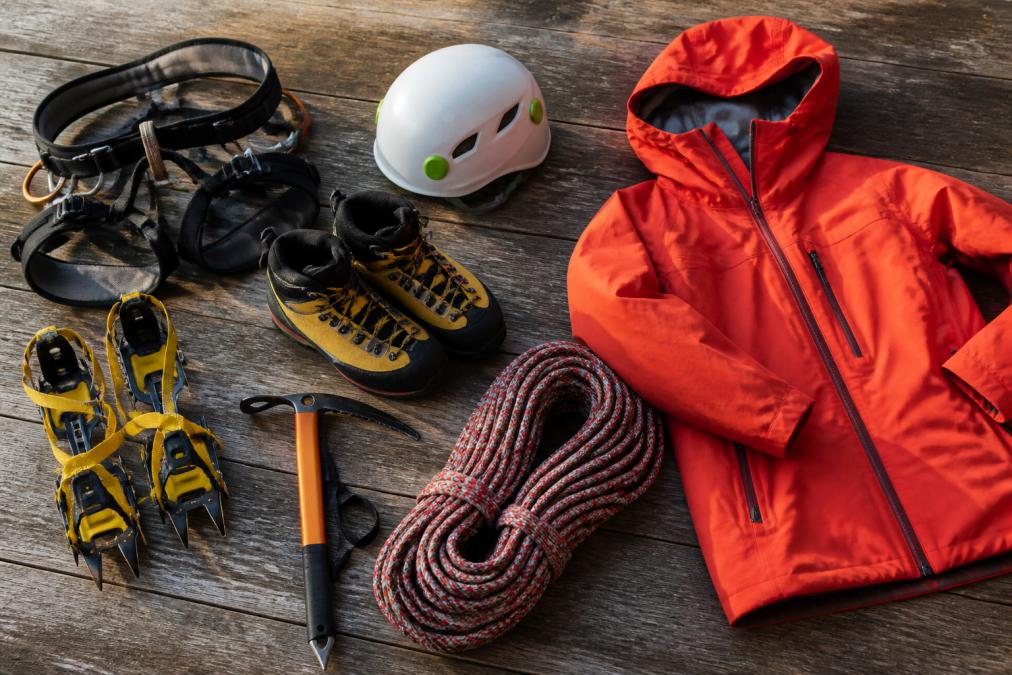
Your foundation should include a climbing harness, helmet, and rope. The harness distributes your weight across your hips and thighs during falls. A helmet protects against rockfall and impact injuries. Rope provides the mechanical advantage needed for rappelling and belaying on technical terrain.
Carabiners and belay devices complete your core system. Locking carabiners prevent accidental opening under load. A belay device (like an ATC or GriGri) controls rope friction, letting you manage a climber's descent or hold them in place if they fall.
Crampons attach to your boots for ice and mixed terrain. Strap-on crampons work with any mountaineering boot but are slower to put on and remove. Wire toe bail crampons clip directly onto compatible boots and offer faster transitions.
An ice axe serves multiple purposes: self-arrest (stopping yourself on a slope), balance during steep snow traverses, and chopping steps. For beginners, a general-purpose ice axe is more versatile than a technical climbing tool. Length should reach your ankle when standing upright.
A climbing backpack carries your gear safely. Look for 30-35L capacity for day expeditions and 60-90L for multi-day trips. AdventureTrailhead offers the 90L Waterproof Hiking Camping Backpack at $79.99, designed specifically for mountaineering with waterproof material and multiple compartments. For shorter climbs, the Large-Capacity Hiking Backpack (30-35L) at $75.99 provides expandable capacity and lightweight construction.


Apparel and insulation layers
Mountaineering apparel works in layers: base, insulation, and shell. Your base layer pulls moisture away from your skin. Merino wool or synthetic materials work better than cotton, which retains moisture and loses insulation when wet.
Insulation layers trap warm air. Down insulation is lightweight and compresses well but loses effectiveness when wet. Synthetic insulation (like PrimaLoft) maintains warmth even if damp, making it safer for mountaineering.
Your hardshell jacket blocks wind and precipitation while allowing moisture vapor to escape. Waterproof ratings of 10,000mm or higher provide adequate protection for mountaineering.
Gloves and mittens protect your hands from cold and wind. Mittens insulate better because your fingers stay together, but they reduce dexterity. Many climbers carry both and switch based on task difficulty.
A beanie or balaclava covers your head and neck. You lose significant heat through your head, and exposed skin on high peaks develops frostbite quickly.
Mountaineering socks are thick and wool-based. Standard hiking socks are too thin for alpine boots and technical terrain. Merino wool socks regulate temperature and manage moisture better than synthetic alternatives.
Identify Counterfeit Gear and Verify Authenticity Online
Counterfeit climbing equipment is common in online marketplaces. Fake harnesses, carabiners, and helmets circulate regularly, often on third-party platforms where seller vetting is minimal.
Counterfeit gear looks similar to authentic equipment but fails under load. A fake carabiner might hold your weight during casual use but snap during a fall. These failures are catastrophic on a mountainside.
Check the seller's history before purchasing. Authorized retailers have established track records and direct relationships with manufacturers. Unknown sellers offering steep discounts on premium brands are selling counterfeits.
Examine product photos for quality details. Authentic climbing gear has clean stitching, sharp logos, and consistent coloring. Counterfeit items often show blurry logos, uneven stitching, or color variations. Zoom in on certification labels and serial numbers.
Request a photo of the product's serial number or batch code. Legitimate manufacturers track production batches. You can contact the brand directly to verify that a serial number corresponds to a real product.
Authentic climbing equipment comes with documentation. Harnesses include care instructions and certification details. Helmets have impact-testing dates. Ropes include length and diameter specifications.
Compare Technical Specifications and Product Research
Technical specifications determine whether gear performs in your climbing environment.
Rope specifications matter for different climbing styles. A dynamic rope is designed for lead climbing and stretches under load to absorb impact energy from falls. A static rope is meant for rappelling and rescue work, where minimal stretch is preferred. Check the product description for "dynamic" or "static" designation.
Insulation ratings differ by material and thickness. Down insulation is measured in fill power (usually 600-900 for mountaineering). Higher fill power means more insulation in less bulk. Synthetic insulation is rated by weight and material type. Reputable sellers explain these differences.
Waterproof ratings on jackets and boots are specific numbers. A 10,000mm waterproof rating means the fabric resists water pressure equivalent to a 10,000mm column of water, translating to approximately 8 hours of heavy rain (iso.org). A 20,000mm rating provides 16+ hours of protection. For mountaineering, aim for 15,000mm or higher.
Boot insulation is rated in grams. A 200-gram insulated boot suits temperatures around 20°F (peer-reviewed research). A 400-gram boot handles temperatures to -10°F. Check the manufacturer's temperature rating against the conditions you'll face.
Read customer reviews mentioning specific conditions where they used the gear. A review saying "kept me warm at 14,000 feet in January" is more useful than generic praise. Look for reviews from climbers with similar experience levels.
Check product compatibility. Does your harness work with your climbing rope diameter? Do your crampons attach to your boots' toe bail system? Incompatibility creates dangerous gaps.
Tips for Buying Mountaineering Gear Online Affordably
Quality mountaineering gear is expensive. A complete climbing system easily exceeds $1,500. Strategic purchasing reduces costs without sacrificing safety.
Buy essential safety gear new. Harnesses, helmets, and ropes should never be secondhand because you can't verify their history. A used harness might have internal damage from a previous fall.
Apparel and non-critical gear can be purchased secondhand. Jackets, boots, and backpacks hold up well when properly maintained. Secondhand gear marketplaces offer significant savings, often 40-60% off retail.
Prioritize purchases by expedition timeline. If you're climbing in three months, buy boots and socks first for break-in time. Buy carabiners and technical gear two months before departure. Purchase apparel one month before. This staggered approach spreads costs and takes advantage of sales.
Watch for seasonal sales. Winter gear goes on sale in spring. Summer climbing equipment discounts appear in fall. Retailers clear inventory before new seasons arrive, saving you 20-30%.
Buy kits when available. Some retailers bundle harness, carabiners, and belay devices at a slight discount. AdventureTrailhead's backpack options range from $16 to $79.99, offering flexibility for different budget levels. The 18L Hiking Backpack at $16.00 works for ultralight day hikes, while the 90L model at $79.99 handles multi-day expeditions.

Rent expensive specialty gear if you're unsure about commitment. Technical ice climbing tools, specialized crampons, and advanced rope systems can be rented for a fraction of purchase price.
Understand Return Policies, Warranties, and Shipping Restrictions
Return policies determine your recourse if gear arrives damaged, doesn't fit, or fails. Before completing any purchase, read the return policy carefully.
Look for policies allowing 30-60 day returns. This window gives you time to try boots with actual socks, test a harness with your climbing schedule, and verify that technical specifications match your needs.
Shipping restrictions apply to climbing ropes and certain adhesive products. Ropes containing synthetic materials might require ground shipping only. Check shipping costs before purchasing; they can add $30-50 to your order.
Warranties vary significantly. Most climbing equipment carries a 1-2 year manufacturer's warranty covering defects in materials and workmanship. This warranty does NOT cover wear from normal use or damage from falls.
Some retailers offer extended warranties for an additional fee, covering accidental damage and wear. For expensive items like technical boots or climbing harnesses, extended warranties provide peace of mind, though they increase upfront costs by 10-15%.
Check whether the retailer accepts returns on used gear. Some require gear to be unused and in original packaging. Others allow returns on used items within their return window.
Verify that the retailer ships to your location. International retailers sometimes restrict U.S. shipping or charge prohibitive rates. Confirm shipping costs and delivery times before purchase.
Buying mountaineering gear online requires balancing cost, safety, and fit. Verify certifications on every load-bearing item, measure your feet accurately for boots, and research product specifications before ordering. Counterfeit gear poses real risks, purchase from established retailers with clear return policies and warranty coverage.
At AdventureTrailhead, we've built our reputation on offering reliable mountaineering equipment backed by transparent product information and customer support. Our gear selection spans essential climbing equipment, technical apparel, and protective systems designed for serious expeditions. Start your mountaineering journey with confidence by choosing equipment from retailers committed to your safety on the mountain.
Frequently Asked Questions
What safety certifications should I look for when buying climbing equipment online?
Look for CE ratings (European conformity marking) and UIAA standards, which indicate third-party testing for harnesses, helmets, and belay devices. Check the product listing for certification numbers and verify them on the manufacturer's website. Reliable retailers display these certifications prominently. If a seller won't provide certification details, avoid the purchase, your life depends on equipment that meets established safety standards for mountaineering gear.
How do I know my mountaineering boots will fit if I'm buying them online?
Use the seller's sizing chart and measure your foot length in millimeters, accounting for thick socks you'll wear. Check reviews from climbers with similar foot shapes and widths. Many retailers offer free returns, so order multiple sizes if uncertain. Remember that three-season boots and alpine mountaineering boots fit differently, read product descriptions carefully. Consider ordering from retailers with generous return windows so you can test the fit at home.
What's included in an essential mountaineering gear checklist for beginners?
Start with a harness, climbing helmet, belay device, carabiners, climbing shoes, and a rope (if not provided by your guide). Add technical apparel: a hardshell jacket for wind and water protection, insulation layers, and appropriate footwear like three-season boots. Include a backpack (like the 90L waterproof hiking camping backpack at $79.99) to carry equipment. Prioritize items that directly affect safety before investing in luxury gear.
How can I spot counterfeit mountaineering gear when shopping online?
Examine product photos for poor stitching, misaligned logos, and cheap materials. Check seller reviews specifically mentioning authenticity concerns. Counterfeit gear often lacks proper safety certifications or has vague CE markings. Buy from authorized retailers with clear return policies and warranty support. Request photos of certification labels before purchasing from unfamiliar sellers. If a price seems too good to be true for established brands, it probably is, counterfeit gear puts your safety at serious risk in alpine environments.
This article was written using GrandRanker