
High Performance Climbing Slings: 2026 Buyer's Guide
Table of Contents
- What You Need to Know About Climbing Slings
- Types of Climbing Slings and Their Best Uses
- Dyneema vs Nylon Slings: Material Comparison
- How to Choose Climbing Slings for Your Discipline
- Climbing Sling Length, Breaking Strength, and Specifications
- Climbing Sling Replacement Interval and Care
- Where to Buy High Performance Climbing Slings Online
- Conclusion
Last Updated: August 26, 2026
What You Need to Know About Climbing Slings
Climbing slings are foundational anchor-building components that directly impact safety and efficiency. A climbing sling is a loop of webbing or cordage that connects your rope, carabiners, and rock features to create a secure anchor system. Slings extend anchor points, equalize load across multiple pieces of gear, and provide attachment points for rappelling and rigging.

Types of Climbing Slings and Their Best Uses
Climbing slings fall into two main categories: sewn loops and tied webbing slings.
Sewn Loop Slings
Sewn loop slings are pre-constructed webbing loops with factory-stitched ends. The webbing is folded, stitched together, and tested for consistent breaking strength.
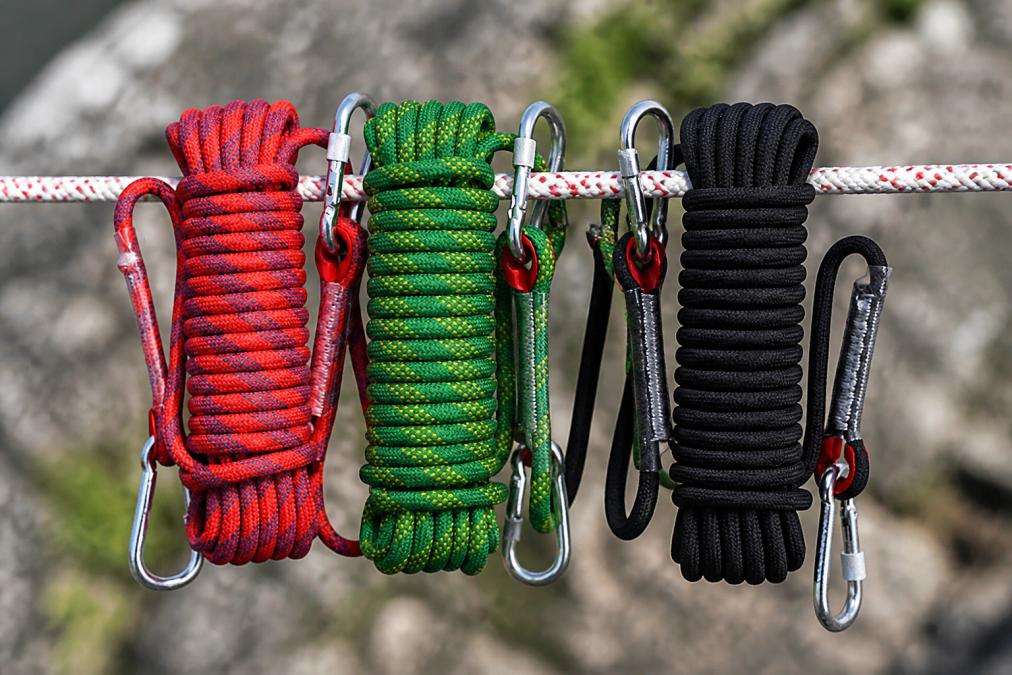
Sewn slings excel in sport climbing and alpine environments where you need quick, reliable anchor setup. The factory construction eliminates variables and the seams are reinforced to handle dynamic loading. Many climbers prefer sewn slings for multi-pitch sport climbing because they're faster to deploy and require no knot-tying skills.
The trade-off is cost. Sewn slings are more expensive than tied alternatives because of manufacturing overhead. Durability depends on material choice. Nylon sewn slings handle abrasion well, while Dyneema sewn slings weigh less but are more vulnerable to UV degradation and sharp edges.
Tied Webbing Slings
Tied webbing slings are loops of tubular or flat webbing secured with a water knot. You can purchase webbing by the roll and tie your own, or buy pre-tied slings from retailers.
Tied slings offer flexibility and cost savings. You can customize lengths exactly to your needs and replace worn sections without buying new slings. A properly executed water knot distributes force evenly across the webbing, but an improperly tied knot can slip or fail under dynamic loading. Tied slings are popular in trad climbing because they integrate seamlessly with cordelette systems and allow on-the-fly adjustments.
Dyneema vs Nylon Slings: Material Comparison
Material choice determines how your slings perform under stress, age, and behave in different climbing environments.
Nylon Webbing: Durability and Cost
Nylon is the traditional climbing sling material. It offers excellent abrasion resistance and handles sharp rock without tearing easily. Cost is nylon's primary advantage, nylon webbing is cheaper to manufacture, so nylon slings cost less to buy.
Nylon's breaking strength is adequate for most climbing applications. A 1-inch nylon webbing sling typically has a breaking strength of 4,000-5,000 pounds, sufficient for anchor building and rappelling. The downside is weight. Nylon is denser than Dyneema, so a full rack of nylon slings can weigh 2-3 pounds more than the equivalent Dyneema rack.

Nylon degrades under UV exposure over time. Proper storage in a dry, dark place extends lifespan significantly. Most climbers replace nylon slings every 5-7 years with regular use.
Dyneema and Spectra: Lightweight Strength
Dyneema and Spectra are ultra-high-molecular-weight polyethylene fibers offering exceptional strength-to-weight ratios. A Dyneema sling weighs 30-40% less than an equivalent nylon sling while maintaining comparable breaking strength (peer-reviewed research). A 1-inch Dyneema webbing sling has a breaking strength of 5,000-6,000 pounds.
The trade-off is abrasion resistance. Dyneema doesn't handle sharp rock as well as nylon. UV degradation is another concern, Dyneema weakens faster than nylon when exposed to sunlight. Cost is the barrier to entry. Dyneema slings are 40-60% more expensive than nylon equivalents.
How to Choose Climbing Slings for Your Discipline
The climbing discipline you practice shapes what slings you need.
Trad Climbing Slings
Trad climbing requires versatile slings because you're building anchors from natural rock features that vary widely. Most trad climbers carry a mix of sewn slings and tied webbing. A typical trad rack includes 60cm, 120cm, and 240cm sewn slings, plus additional tied webbing for custom configurations.

Material choice for trad climbing typically leans toward nylon because of abrasion resistance. You're placing slings directly on rock and sometimes dragging them across sharp edges. Nylon handles this punishment better than Dyneema.
Sport Climbing and Alpine Slings
Sport climbing prioritizes speed and simplicity. Your sling needs are minimal, typically one or two quickdraws or a single alpine draw for rappelling. When sport climbers do carry slings, they're usually for rappelling or extending anchors. A 120cm sewn sling is standard.
Alpine climbing combines elements of both trad and sport climbing. Alpine climbers typically carry a mixed rack: sewn slings for speed at bolted anchors and tied webbing for flexibility at natural features. Weight becomes critical at altitude, so many alpine climbers choose Dyneema despite the higher cost.
Climbing Sling Length, Breaking Strength, and Specifications
Understanding sling specifications helps you make informed purchasing decisions.
Understanding Kilonewton Ratings
Climbing slings are often rated in kilonewtons (kN). One kilonewton equals approximately 225 pounds of force (nist.gov). A sling rated at 22 kN has a breaking strength of roughly 4,950 pounds.
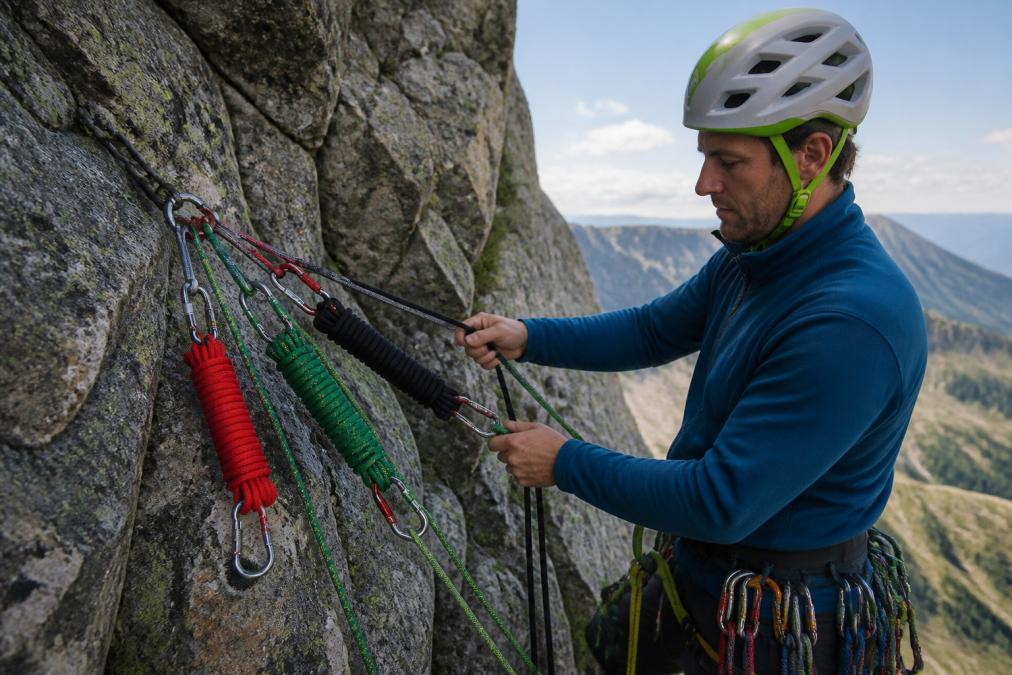
Kilonewton ratings are standardized across manufacturers and countries. Most climbing slings fall in the 16-25 kN range. A typical 1-inch nylon webbing sling is rated 20-22 kN. These ratings exceed what you'll experience in normal climbing because your anchor system distributes load across multiple components.
Choosing the Right Length for Anchor Building
Sling length determines how far apart you can space anchor points and how effectively you can equalize load. The most common lengths are 60cm, 120cm, and 240cm.
A 60cm sling works for close anchor points, typically 2-3 feet apart. A 120cm sling is the versatile workhorse, handling anchor points 4-8 feet apart. A 240cm sling extends to 8-15 feet apart and is essential for alpine climbing. The ideal angle between two anchor points is less than 60 degrees. Choosing the right sling length helps you maintain proper anchor geometry.
Climbing Sling Replacement Interval and Care
Slings don't last forever. Understanding when to retire them and how to maintain them extends their lifespan and keeps you safe.
When to Retire Your Slings
Slings should be retired based on age, use frequency, and visible damage. Most climbing organizations recommend replacing slings every 5-7 years with regular use, or sooner if you notice deterioration.
Visible damage is the primary indicator. If you see cuts, tears, or fraying in the webbing, the sling is compromised. If the stitching on a sewn sling is coming apart, retire it. Use frequency matters. If you climb 50+ days per year, plan to replace slings every 3-4 years. If you climb 10-20 days per year, 5-7 years is reasonable.
Storage conditions affect lifespan significantly. Slings stored in a cool, dark, dry place last longer than those exposed to heat, moisture, and sunlight.
Inspection and Maintenance Best Practices
Before each climbing trip, visually inspect all slings for cuts, tears, color fading, and stitching damage. Feel the webbing to check for stiffness or brittleness, which indicates UV degradation.
Clean slings periodically with mild soap and water. Rinse thoroughly and let air dry completely before storing. Store slings in a gear bag or dry bag away from direct sunlight. Document when you purchase slings so you know their age.
Where to Buy High Performance Climbing Slings Online
Finding quality climbing slings online requires knowing what to look for and where to shop. AdventureTrailhead offers a comprehensive selection of climbing slings and related gear designed for serious climbers.
Our selection includes sewn loop slings in nylon and Dyneema, tied webbing options, and specialty slings for alpine and trad climbing. For example, the Outdoor climbing rope10M at $39.01 provides a solid foundation for anchor systems. The Rock Climbing O Shape Thread Lock Carabiner at $32.65 provides secure attachment points, while the Kong 8 Classic Descender at $18.95 handles rappelling and controlled descent.
When shopping for climbing slings online, verify that products are specifically rated for climbing use. Look for kilonewton ratings and material specifications. Check customer reviews from climbers who use the slings in conditions similar to yours. Look for slings tested to UIAA (International Climbing and Mountaineering Federation) or CE standards, which indicate third-party testing. According to the UIAA climbing equipment standards, slings must meet specific breaking strength and durability requirements before they can be certified for climbing use.
Conclusion
Climbing slings are fundamental to safe anchor building across all climbing disciplines. Whether you choose sewn loops or tied webbing, nylon or Dyneema, your decision should align with your climbing style, budget, and the specific terrain you climb.
Start with a basic rack of 120cm sewn nylon slings if you're new to climbing. As you gain experience and climb more frequently, expand your collection with additional lengths and consider upgrading to Dyneema for alpine objectives. AdventureTrailhead carries the complete range of climbing slings and complementary gear you need to build reliable anchors with confidence. Visit our site today to explore our selection and equip yourself for your next adventure.
Frequently Asked Questions
What is the difference between Dyneema and nylon climbing slings?
Nylon slings offer excellent abrasion resistance and are more forgiving under dynamic loading, making them ideal for trad climbing where friction and impact are common. Dyneema and Spectra slings are significantly lighter and have a higher strength-to-weight ratio, which benefits alpine and multi-pitch climbers. However, Dyneema is more prone to UV degradation and can slip under certain conditions.
How often should you replace climbing slings?
Inspect your slings regularly for UV damage, abrasion, discoloration, and fraying. Replace them immediately if you notice cuts, burns, or significant wear. Exposure to sunlight, chemicals, or repeated dynamic loading can shorten their lifespan. Store slings in a cool, dry place away from direct sunlight to extend their lifespan and maintain breaking strength.
How do I choose the right climbing sling length?
Sling length depends on your climbing style and anchor needs. For trad climbing, 12-inch and 18-inch slings are most versatile for building anchors and equalization. Sport climbers often use shorter 6-inch slings for quickdraws and anchor extensions. Alpine climbers benefit from longer 24-inch or 30-inch slings for multi-pitch efficiency. Consider the terrain, the distance between protection points, and whether you need to build anchors with multiple slings before selecting lengths.
Are sewn slings safer than tied webbing?
Sewn slings are generally considered safer because the stitching is inspectable and consistent. Factory-sewn loops have uniform breaking strength and predictable behavior under load. Tied slings depend on knot quality and can slip or fail if the knot is tied incorrectly. However, both types are safe when properly maintained and inspected.
This article was written using GrandRanker