
Reliable Water Sports Gear for Experts
Table of Contents
- Essential Reliable Water Sports Gear for Experts
- Best Water Sports Gear Maintenance Tips
- Professional Water Sports Equipment Checklist
- Water Sports Safety Standards for Experts
- Sailing Clothing and Wetsuits for Technical Performance
- Advanced Water Sports Gear Selection for Your Needs
- Conclusion
Last Updated: August 30, 2026
Essential Reliable Water Sports Gear for Experts
When operating in challenging water environments, your gear is the difference between a controlled experience and a dangerous situation. Reliable water sports gear for experts demands precision engineering, proper certifications, and components designed to perform under real stress.
At AdventureTrailhead, we understand that serious water sports athletes need equipment matching their skill level and activity intensity. "Reliable" means consistent performance across variable conditions, predictable failure modes, and the ability to handle the forces your body and environment generate.
Towable Tubes and Inflatables for Advanced Athletes
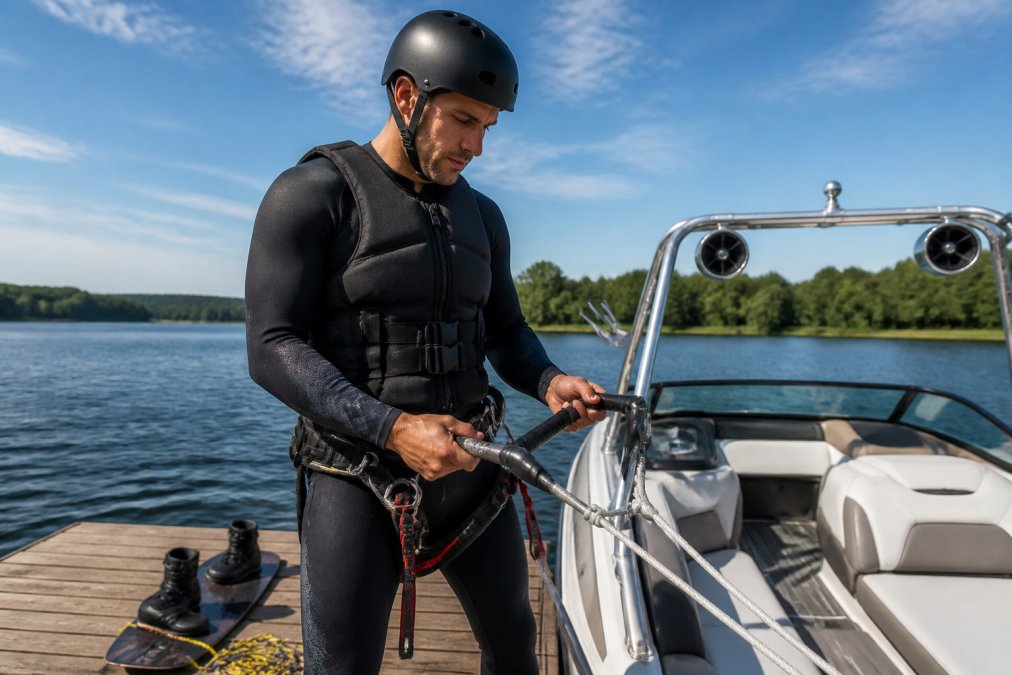
Advanced towing operations demand inflatables constructed from marine-grade materials that resist UV degradation and salt water corrosion. Ripstop fabric construction prevents small tears from expanding into catastrophic failures, while multi-chamber designs ensure a single puncture doesn't compromise your entire session.
When selecting towable tubes, evaluate the towing capacity rating against your actual weight plus force multiplication from acceleration and water conditions. A tube rated for 300 pounds might handle a 250-pound athlete in calm conditions, but choppy water generates significantly higher forces. Tubes designed with reduced drag profiles maintain stability at higher speeds and require less energy from the tow boat.
Look for seam construction using welded or bonded joints rather than stitching alone. The best inflatables combine seam sealing with reinforced stress points at attachment rings.
Life Vests and Personal Flotation Devices
Your personal flotation device (PFD) is non-negotiable for any water activity. Professional-grade PFDs use closed-cell foam or hybrid inflation systems that provide consistent buoyancy regardless of water temperature or saturation. The buoyancy aid design positions flotation to support your torso while maintaining freedom of movement for active water sports.
Thermal insulation becomes critical in cold water; neoprene-lined vests retain body heat while the outer shell resists water penetration. Reflective strips and bright coloring serve a practical function: they make you locatable in emergency situations. Ergonomic design means the vest doesn't restrict your shoulders or create pressure points during extended wear. Check the weight capacity rating and verify it accounts for your body weight plus any additional gear.
Paddleboard and Kayak Essentials
Stability and maneuverability depend on fin configuration and hull design. Experts typically prefer narrower boards with pronounced rocker because they respond faster to weight shifts and carving inputs. The deck pad grip must provide friction without creating hot spots during long sessions.
Quality paddleboards use expanded polystyrene (EPS) or polyurethane cores wrapped in fiberglass or carbon fiber. Carbon fiber paddles reduce arm fatigue on long expeditions, while blade design influences power transfer and efficiency. Storage volume matters if you're carrying safety equipment or supplies for multi-hour sessions.
Kayak seats engineered for expert paddlers include adjustable backrests and thigh braces that keep you locked in during aggressive maneuvering. The cockpit design should allow rapid exit in emergencies while providing contact points to control the boat through rough water. Tethering systems keep your paddle attached if you capsize.
Best Water Sports Gear Maintenance Tips
Proper maintenance extends equipment lifespan and prevents failures that compromise safety. The difference between gear lasting three seasons versus eight often comes down to post-session care and seasonal storage protocols.
Repair and Longevity Guides for Extended Performance
After each use, rinse all gear with fresh water to remove salt, sand, and debris that accelerates degradation. For inflatables, thoroughly clean the exterior and interior valve areas. Allow everything to air dry completely before storage; trapped moisture creates mold that damages seams and foam cores.
Inspect seams and attachment points regularly for separation or stress. Small tears in ripstop fabric should be patched immediately using marine-grade adhesive patches. The sooner you address damage, the easier the repair and the less likely it spreads. Keep a repair kit designed for your equipment type, as different materials require different adhesives and patching methods.
When you notice performance changes, a kayak that tracks differently, a PFD that floats unevenly, or an inflatable that loses pressure faster, those signal repair or replacement needs.
| Maintenance Task | Frequency | Impact on Longevity |
|---|---|---|
| Fresh water rinse | After every use | Prevents salt/sand degradation |
| Inspection for damage | Weekly during season | Catches problems before they spread |
| Valve cleaning | Monthly | Maintains inflation reliability |
| Seam checking | Before each session | Prevents catastrophic failures |
| Deep cleaning | Seasonally | Removes embedded contaminants |
Seasonal Storage and Care Protocols
Store all water sports gear in a cool, dry location away from direct sunlight. UV exposure degrades ripstop fabric, foam cores, and neoprene faster than any other environmental factor. Use UV-protective covers designed for marine equipment if sunlight exposure is unavoidable.
For inflatables, store them partially deflated rather than fully inflated. Constant pressure stresses seams and valve mechanisms. Partially deflated equipment maintains its shape while reducing internal stress. Keep valves clean and lightly lubricated with marine-grade silicone spray.
Wetsuits and neoprene-lined gear should be rinsed with fresh water and hung to dry away from heat sources. Never use a clothes dryer or place them near radiators; high heat degrades neoprene irreversibly. Store them flat or on wide hangers that don't create crease points.
Document your maintenance activities, especially repairs. This record helps identify patterns; if a particular seam keeps failing, that's valuable information for your next equipment purchase.
Professional Water Sports Equipment Checklist
Assembling a complete setup requires thinking about redundancy and backup systems. Experts carry spare equipment for critical items because equipment failure in water can escalate quickly.
Safety Gear and Protective Equipment
Your safety checklist should include a properly-fitted helmet with impact resistance rated for water sports, a Coast Guard-approved PFD with adequate buoyancy for your weight class, and a whistle or signaling device attached to your vest. Many experts carry a backup PFD in their tow boat because equipment can fail unexpectedly.

Include a throw rope or rescue line in your safety kit. These are designed to float and can reach someone in the water much faster than swimming. A first aid kit specifically assembled for water environments should include waterproof bandages, antiseptic, and treatments for hypothermia or shock. Communication devices matter too; a waterproof radio or cell phone in a dry bag lets you call for help if something goes wrong.
Technical Performance Specifications
Weight capacity ratings tell you the maximum load equipment can safely support. For a PFD, this is your body weight plus any gear you're wearing. For towables, it's the maximum athlete weight plus dynamic forces from acceleration.
Buoyancy ratings are measured in pounds of lift. A PFD with 15.5 pounds of buoyancy will keep a 150-pound person afloat even if unconscious (uscg.mil). Manufacturers calculate this conservatively, so actual performance often exceeds the rating. However, you should never rely on buoyancy alone; proper technique and awareness matter more.
Waterproof ratings describe how well gear resists water penetration. IPX7 means equipment can be submerged in up to 1 meter of water for 30 minutes. IPX8 means it can handle deeper, longer submersion. For water sports gear, IPX7 is typically sufficient, but anything you carry in a dry bag should meet IPX8 standards.
Water Sports Safety Standards for Experts
Professional water sports equipment must meet recognized safety standards. Understanding these standards helps you evaluate whether gear is suitable for expert-level activities.
Certification Requirements and Testing Standards
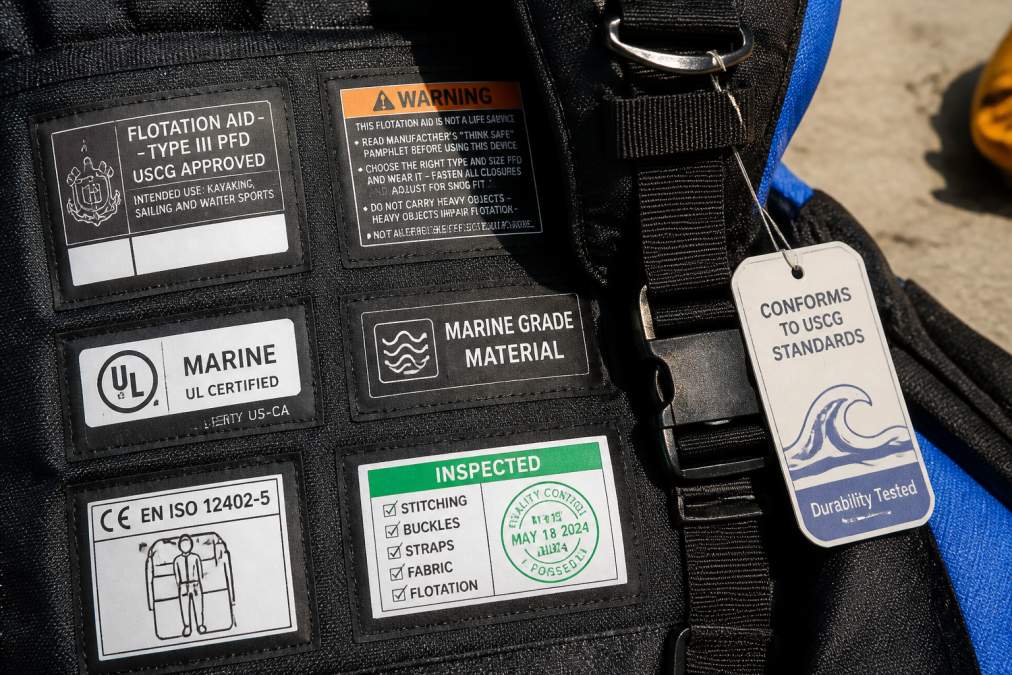
The U.S. Coast Guard establishes standards for personal flotation devices through 46 CFR Part 160 (uscg.mil). Any PFD sold in the United States must meet these standards and display a Coast Guard-approved label. Type III PFDs are most common for water sports, offering comfort and mobility while maintaining adequate buoyancy.
Helmets used in water sports should meet ASTM F1952 standards for water sports helmets specifically (astm.org). This standard is more stringent than general bicycle helmet standards because water impacts involve different force profiles. A helmet certified for water sports has been tested for impact resistance in wet conditions and verified to maintain structural integrity after water exposure.
Rope and harness equipment used in water sports or rescue operations should meet NFPA (National Fire Protection Association) standards. NFPA 1983 covers life safety rope and equipment used by rescue professionals. Understanding these standards helps you identify professional-quality gear.
Environmental Impact and Sustainable Gear Choices
Water sports gear manufacturing has environmental costs, particularly in synthetic materials and foams production. Choosing durable equipment that lasts longer reduces total environmental impact compared to frequent replacement.
Some manufacturers now use recycled materials in construction. Recycled polyester, reclaimed foam, and upcycled nylon reduce demand for virgin materials. Modern recycled polyester is nearly indistinguishable from virgin material in strength and durability.
When retiring equipment, responsible disposal matters. PFDs and inflatables can be recycled through specialized facilities that separate materials for reprocessing. Check with local recycling programs or contact manufacturers about take-back programs. Choosing equipment from companies committed to sustainable practices encourages industry improvement.
Sailing Clothing and Wetsuits for Technical Performance
Sailing and open water activities demand clothing that manages temperature while allowing movement. Wetsuits provide thermal insulation through trapped water layers, while modern designs minimize bulk that restricts mobility.
Wetsuit thickness is measured in millimeters; 3/2mm means 3mm on the torso and 2mm on extremities. For water temperatures above 60°F, a 3/2mm suit provides adequate insulation for extended sessions. Below 50°F, consider a 5/4mm or thicker suit. Premium neoprene retains flexibility at low temperatures while budget neoprene becomes stiff and restrictive.
Seam construction in wetsuits directly impacts water leakage and durability. Sealed seams with taped stitching prevent water from flowing through needle holes. Glued and blind-stitched seams are superior to simple stitching. The best wetsuits use flatlock stitching on the exterior and sealed seams on the interior.
Sailing-specific clothing should include quick-dry materials that shed water rather than absorb it. Nylon and polyester blends with water-repellent treatments keep you warmer and drier than cotton. Look for designs with reinforced stress points at shoulders and elbows where friction against boat hardware causes wear.
Advanced Water Sports Gear Selection for Your Needs
Choosing the right reliable water sports gear for experts requires matching specifications to your specific activities and environmental conditions. Generic recommendations don't account for variables affecting performance in your situation.
Start by defining your activity, towable sports, paddling, open water swimming, or sailing, because each demands different equipment priorities. Towable sports emphasize buoyancy and impact resistance. Paddling prioritizes stability and durability. Open water swimming requires thermal protection and visibility. Sailing combines all these elements with gear that must function while wet and under tension.
Next, identify your environmental conditions. Water temperature, wind exposure, distance from shore, and expected session duration all influence gear selection. Cold water demands thermal protection; rough water demands stability and impact resistance; long distances demand comfort and durability.
Your body type and fitness level matter too. A broader-shouldered athlete needs harnesses and vests designed with that geometry in mind. A lighter athlete might benefit from equipment with lower weight capacity ratings because they're sized more appropriately. Don't force yourself into ill-fitting gear; performance and safety both suffer.
Test equipment before committing to a full setup. Many water sports retailers offer demo days where you can try different boards, vests, or wetsuits before purchasing. This hands-on evaluation reveals whether the gear actually fits your body and matches your preferences.
Selecting reliable water sports gear for experts means investing in equipment engineered for performance under real conditions. The specifications matter, the materials matter, and the maintenance matters. AdventureTrailhead's curated selection of professional-grade water sports equipment reflects these standards. Explore our full collection of climbing harnesses like the Full Body Climbing Harness with Multi D Ring Support ($118.00), safety helmets, and technical rope systems that meet professional standards. Quality gear makes every session safer and more enjoyable, start with equipment you can trust.

Frequently Asked Questions
What safety certifications should I look for in expert-level water sports gear?
Expert-grade water sports gear must meet USCG (U.S. Coast Guard) standards for personal flotation devices and carry certifications from organizations like ASTM International. Look for gear marked with seam construction testing, UV protection ratings, and waterproof ratings that exceed recreational standards. Climbing and rope-access equipment should display UIAA or CE certifications. Check product documentation for impact resistance testing and buoyancy control specifications that verify the gear has undergone rigorous durability testing.
How do I maintain water sports gear to extend its lifespan?
Rinse all equipment with fresh water after each use to remove salt and mineral deposits that degrade ripstop fabric and seams. Store gear in cool, dry conditions away from direct sunlight, which degrades UV protection. Inspect seam construction and tethering systems monthly for wear. For inflatables, check valves and air pressure regularly. Apply protective coatings to metal hardware to prevent corrosion. Replace worn deck pad grip surfaces and check fin configurations for cracks.
What's the difference between recreational and expert-grade water sports equipment?
Expert-grade water sports gear features marine-grade materials, advanced seam construction with reinforced stitching, and superior buoyancy control systems. Professional equipment has higher towing capacity ratings, better stability index numbers, and enhanced ergonomic design for extended use. Expert gear uses ripstop fabric with higher denier ratings, thicker wetsuit materials for thermal insulation, and quick-dry materials that perform in challenging conditions. Recreational gear prioritizes affordability; expert gear prioritizes longevity, performance metrics, and safety certifications required for demanding water environments.
What equipment is essential for a professional water sports checklist?
Your professional water sports equipment checklist should include: Coast Guard-approved personal flotation device with proper weight capacity, helmet with impact resistance certification, quick-dry wetsuit with appropriate thermal insulation for water temperature, ripstop fabric repair kit, tethering system components, inflation pump for paddleboards, visibility markers for safety, marine-grade carabiners and hardware, and a comprehensive inspection log. Include specialized gear for your specific sport: towable tubes with reinforced towing capacity, paddleboard with deck pad grip, or climbing harness with D-ring support for rope-access activities.
This article was written using GrandRanker