
Affordable Mountaineering Gear Payment Plans for 2026
Table of Contents
- Why Financing Mountaineering Gear Makes Sense
- How Much Does Mountaineering Gear Cost?
- Climbing Gear Financing Options Explained
- Climbing Equipment Rental vs Buying: A Cost Analysis
- Total Cost of Ownership: Gear Longevity vs. Payment Duration
- Smart Budgeting Strategies for Your Mountaineering Kit
- Conclusion: Gear Up Without the Financial Overhang
- Frequently Asked Questions
Last Updated: September 6, 2026
Why Financing Mountaineering Gear Makes Sense
The upfront cost of a complete mountaineering kit can rival a month's rent, which is why affordable mountaineering gear payment plans have become a practical bridge for climbers who refuse to compromise on safety. Spreading the cost over several months lets you buy the correct technical gear now instead of a cheaper substitute that fails when conditions turn.
Financing is not about living beyond your means. Used thoughtfully, a payment plan converts a single intimidating bill into a predictable monthly expense for certified equipment that meets current safety standards.
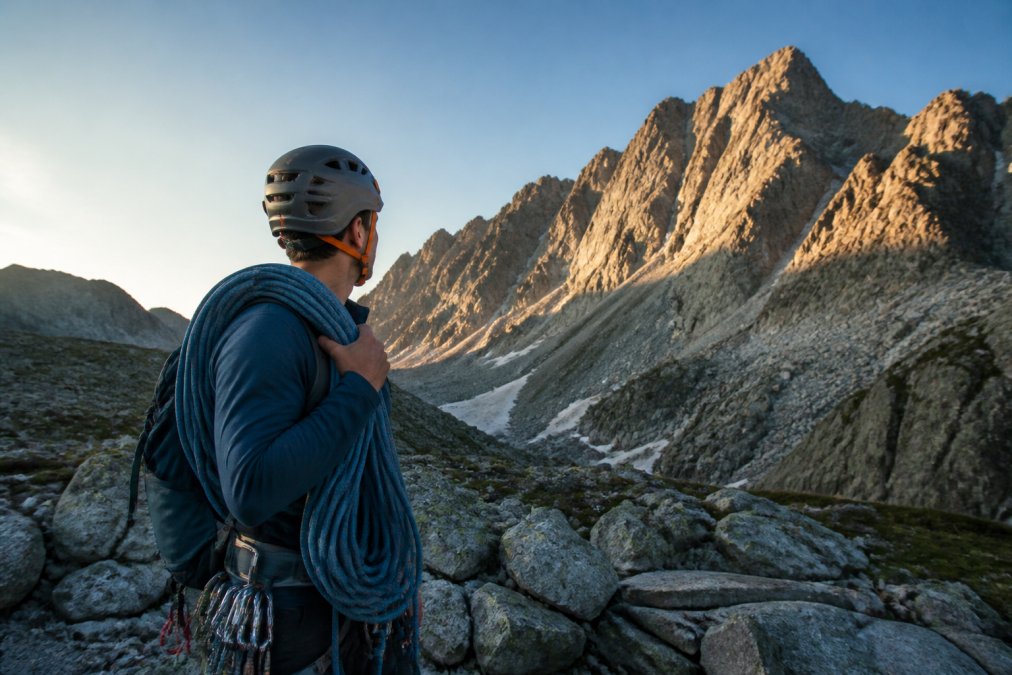
How Much Does Mountaineering Gear Cost?
A safe, expedition-ready kit costs substantially more than most beginners expect, but the total depends on your objectives and conditions. The line between life-safety equipment and convenience items is sharp, and your financial planning must prioritize the former.
The Essential vs. Nice-to-Have Breakdown
Life-safety essentials are the non-negotiables: climbing helmets, dynamic ropes, harnesses, locking carabiners, technical boots, and an ice axe. These items carry certification standards for a reason, and they protect you on every pitch.
Performance and comfort items include insulated belay jackets, high-altitude sleeping bags, and specialized packs. They improve your experience and survival margin in cold weather but can be upgraded over time.
Nice-to-haves cover items like satellite messengers, custom footbeds, and lightweight titanium cookware. These enhance convenience but do not gate your ability to start climbing safely.
Climbing Gear Financing Options Explained
Financing a mountaineering kit generally comes down to three paths: retail store cards, general-purpose credit cards with promotional offers, and third-party installment services. Knowing which tool fits your purchase size and your repayment discipline, and how each option affects your credit profile, is critical.
Retail Installment Plans vs. BNPL Apps
Retail installment plans often offer fixed terms with a clear payoff date, which suits larger purchases like a full rack of cams or a complete boot and crampon system. Buy Now, Pay Later (BNPL) apps split smaller totals into four to six payments, convenient for a single rope or a new helmet, but they carry hidden risks. Frequent BNPL use can create multiple simultaneous obligations, and missed payments may be reported to credit bureaus. The Consumer Financial Protection Bureau has documented that BNPL users often hold balances across several lenders simultaneously, which complicates budgeting.
A common mistake is treating a BNPL plan as "free money" rather than a short-term loan. Before selecting any option, confirm the APR, whether interest is deferred, and the late-payment penalty, deferred interest clauses can retroactively charge the full year's interest if you fail to pay off the balance within the promotional window.
Hard vs. Soft Credit Pulls: What Climbers Need to Know
Whether checking your financing options will ding your credit score depends on the type of inquiry the lender makes.
Soft pulls, which do not affect your credit score, occur when you pre-qualify for a store card or when a BNPL app shows you an approval amount before you commit. These are safe to shop around with.
Hard pulls, which typically shave a few points off your FICO score and stay on your report for two years, happen when you formally apply for a credit account. Retail store cards and general-purpose credit cards almost always trigger a hard pull at application. Some BNPL providers also perform hard pulls, especially for larger installment amounts or longer terms.
For a climber financing a $1,200 boot and crampon system: do pre-qualification research first, then limit formal applications to one or two lenders within a 14-day window. Credit scoring models treat multiple hard pulls for the same credit type within that period as a single inquiry. Applying to five stores over three months can lower your score by 10 to 20 points.
Interest Rates and the Real Cost of Borrowing
APR varies widely by product and your creditworthiness. General-purpose credit cards with a 0% introductory APR offer a true interest-free window, typically 12 to 18 months, but the rate jumps to 20% to 29% after the promo ends. Retail store cards often carry APRs in the high 20s, making them the most expensive option if you carry a balance beyond the promotional period. BNPL plans marketed as "0% APR" are usually interest-free only if you pay on schedule; late fees and retroactive interest can turn a $300 rope into a $400 mistake.
A concrete example: financing a $1,500 complete rack on a store card at 26.99% APR over 24 months results in roughly $460 in interest, a 30% markup on your gear. The same purchase on a 0% APR card paid off in 12 months costs you nothing extra. The difference is not trivial; it is the price of a quality belay jacket or a pair of gaiters.
The Hidden Cost of Multiple BNPL Obligations
Financial counselors increasingly see climbers juggling four or five simultaneous BNPL plans. Each plan is small, but the aggregate monthly obligation can exceed a single consolidated loan, and obligations are easy to lose track of across different apps and due dates. Miss one payment and you face late fees plus potential credit bureau reporting. Budget for gear financing as a single, visible line item, not a scatter of small commitments.
What to Check Before You Sign
Before selecting any financing path, verify four things: (1) the APR and whether it is fixed or variable; (2) the exact length of any promotional period and what happens when it ends; (3) whether interest is deferred and can be retroactively charged; and (4) the late-payment penalty and whether missed payments are reported to credit bureaus. A 15-minute review can save you hundreds of dollars and protect your credit score.
Climbing Equipment Rental vs Buying: A Cost Analysis
For the occasional weekend climber, climbing equipment rental vs buying often favors rental, but the math shifts as commitment grows. Renting technical boots and crampons for three or four outings a season avoids upfront cost and maintenance. However, rental gear rarely fits as precisely as a properly fitted boot, and poor fit is a leading cause of cold injuries and lost climbing days.
Buying becomes the smarter financial move when you climb more than a handful of days per year or when you need gear that fits your specific body and style. Your own harness, helmet, and boots are hygiene and safety investments that rentals cannot replicate. For equipment you use every trip, ownership wins; for specialized items like glacier ropes that wear out or expedition sleds used once a season, renting preserves your budget for the essentials you must own.
| Gear Acquisition Path | Best For | Key Trade-off |
|---|---|---|
| Rental | Climbers going out fewer than 5 days per year | Lower upfront cost, but inconsistent fit |
| Buy outright | Frequent climbers with cash reserves | Best long-term value, immediate availability |
| Payment plan | Those needing gear now, paying over 3-12 months | Predictable payments, but interest risk |
| Used market | Budget-focused climbers who know gear inspection | Big savings, but no warranty or certification guarantee |
Total Cost of Ownership: Gear Longevity vs. Payment Duration
A well-maintained climbing rope and harness have a service life measured in years, so a 12-month payment plan often ends long before the gear reaches retirement age. This is the core argument for financing: amortizing the cost of durable equipment over its usable lifespan. The danger emerges when the payment duration outlives the gear's safe service life.
Consider the safety standards that govern your equipment. Dynamic ropes and textile slings must be retired after a major fall or according to manufacturer guidelines, regardless of how new they look. Guidance from the UIAA on equipment care emphasizes that proper storage and handling extend the life of technical textiles, but nothing extends it indefinitely. When you finance a rope, you should expect to get several seasons of use from it, making the monthly payment a sound investment. Financing a pair of technical boots that you will outgrow or wear out in one aggressive season of alpine climbing is a weaker financial decision.
Smart Budgeting Strategies for Your Mountaineering Kit
Budgeting for technical equipment starts with a simple rule: the mountain does not care about your payment schedule. Prioritize spending on gear that protects your life, and reduce costs elsewhere without violating safety standards. The used market offers savings on packs and insulated clothing, but buying used hardware, ropes, and helmets demands extreme caution, as their history of falls or impacts is often unknown.
The 50/30/20 Rule Applied to Gear
A practical framework is the 50/30/20 budgeting rule, adapted for discretionary spending: 50% for needs, 30% for wants (including climbing trips and gear), and 20% for savings and debt repayment. Gear financing payments must come out of the 30% "wants" bucket, not your needs or emergency fund. If your gear payment pushes wants above 30% of take-home pay, you are over-leveraging for recreation.
With a monthly take-home pay of $4,000, your wants budget is $1,200. If you already spend $400 on climbing gym memberships, gas, and trail fees, you have $800 left for gear payments. A $150-per-month financing plan for boots fits comfortably; a $400-per-month plan for a full expedition kit does not, and it will crowd out the very trips that justify the gear.
The Ethical Question: Should You Finance a Hobby at All?
Financing a mountaineering kit is not the same as financing a car you need to commute or a roof repair. Climbing is discretionary, and the gear, however essential for safety, is recreational equipment. Ask yourself: if I lost my job tomorrow, could I still make this payment without touching my emergency fund? If not, you are financing beyond your means.
Financially healthy climbers often finance only gear that enables income or long-term skill development, for example, a guide course requiring a specific boot and crampon system. Financing gear for a single expedition you may never repeat is weaker: the gear will sit in your closet while you make payments.
Building Your Kit Over Time
Building a mountaineering kit is a progression, not a single shopping spree. Start with technical boots and a certified helmet, as fit and protection are paramount. Add a harness, locking carabiners, and a dynamic rope in your second season, and acquire an ice axe and crampons only when you have the training to use them correctly. This phased approach keeps monthly obligations low.
A practical strategy is to set a monthly gear budget that mirrors a subscription cost, around the price of a few streaming services or a gym membership. When you have accumulated several months of that budget, you can afford a higher-quality item outright or make a substantial down payment that minimizes your financed amount. This method also gives you time to research the gear lists recommended by American Alpine Institute courses and match your purchases to your specific objectives rather than impulse-buying the latest catalog items.
The Sinking Fund Method: An Alternative to Financing
Instead of financing gear at 20%+ APR, consider a sinking fund, a dedicated savings account you contribute to monthly. For a $1,200 boot and crampon system, set aside $100 per month for 12 months and buy outright. You earn interest instead of paying it and avoid the credit check. The trade-off is delayed gratification. For those with a trip already booked, financing may be pragmatic, just know the true cost.
When Financing Is the Right Call
Financing makes sense in three scenarios: (1) you have a confirmed expedition or course date and need gear immediately; (2) you can pay off the balance within a 0% APR promotional window; or (3) the gear has a lifespan of several seasons and the monthly payment is a small fraction of your wants budget. Otherwise, saving first is the superior path.
For those seeking a comprehensive selection of climbing and mountaineering equipment to build toward, AdventureTrailhead offers a full range of gear to support your progression from first pitch to summit day.
Conclusion: Gear Up Without the Financial Overhang
The path to safe mountaineering does not require a single massive withdrawal from savings, but it does demand honest financial planning. Affordable mountaineering gear payment plans work best when they match the lifespan of durable equipment and fit within your monthly cash flow without crowding out rent, food, or your emergency fund.
At AdventureTrailhead, we stock a comprehensive selection of climbing and mountaineering equipment, technical footwear, and outdoor apparel. Explore the outdoors with confidence by investing in gear that matches your ambition and your budget.
Frequently Asked Questions
What are the best financing options for expensive climbing gear?
The best option depends on your credit profile and timeline. Retail store cards often offer deferred interest for 6-12 months, but deferred interest means you pay all accrued interest if the balance isn't paid in full by the promo end date. BNPL apps (like Affirm or Klarna) split the cost into fixed installments, sometimes with 0% APR for shorter terms. Compare the APR, any fees, and the total cost before choosing. Always read the terms to avoid surprises.
Do outdoor retailers offer 'buy now, pay later' plans for mountaineering equipment?
Yes, many outdoor retailers now partner with services like Affirm, Klarna, or Afterpay to offer buy now, pay later (BNPL) plans on technical gear. These plans typically split your purchase into four equal payments over six weeks, or offer longer-term monthly installments. Check the retailer's checkout page for available options. Be aware that BNPL can impact your credit score if you miss payments, so budget accordingly before committing.
Is it better to finance mountaineering gear or buy used?
For safety-critical items like helmets, ropes, and harnesses, buying new is strongly recommended because you can't verify a used item's impact history or wear. For less critical items like trekking poles or clothing, the used gear market offers significant savings. If you need new safety gear but lack the cash, financing with a 0% APR plan is often a better choice than buying used gear of unknown history.
Financing a mountaineering kit is a balancing act between your aspirations and your financial reality. AdventureTrailhead helps you conquer peaks with confidence by offering access to essential, certified gear that supports your progression. Get started with AdventureTrailhead and build your kit responsibly for the 2026 season.