
Decathlon vs CampSaver: Which Gear Quality Wins?
Table of Contents
- Decathlon vs CampSaver: How We Tested and Compared Gear Quality
- Side-by-Side Gear Quality Comparison Table
- Tent Quality: Pop-Up Convenience vs. Specialized Camping Tents
- Backpack Durability and Comfort: What You Need to Know
- Is Expensive Hiking Gear Worth the Cost for Beginners?
- Durable vs Lightweight Gear Trade-Offs: Making the Right Call
- Best Budget Backpacking Gear Brands: Where to Invest
- Warranty, Return Policies, and Long-Term Wear
- Frequently Asked Questions
Last Updated: September 7, 2026
Decathlon vs CampSaver: How We Tested and Compared Gear Quality
Gear quality is the single most important factor when you are trusting equipment with your safety on a multi-day expedition. The decathlon vs campsaver gear quality comparison comes down to two very different retail philosophies: one sells massive volume at entry-level prices, while the other curates specific technical brands. Neither extreme serves every adventurer equally.
The real difference is not about which store is "better," but about matching the gear quality to your specific use case. A weekend car camper has different needs than someone attempting a winter ascent. Our focus was on how each retailer's gear performs under sustained use, not just how it looks on the shelf.
Below, we will break down the technical specifications, durability factors, and value propositions that actually matter. We will also show you where to invest your money so you are not overpaying for features you will never use, or worse, underbuying on gear that must perform in critical conditions.
Our Evaluation Criteria for Outdoor Gear
Gear quality can be evaluated using criteria such as material durability, weather resistance, weight-to-performance ratio, ergonomic design, and long-term warranty coverage. Each item should ideally be tested over a period of several months, not just a single weekend trip.
Material testing focused on denier counts for fabrics and hydrostatic head ratings for waterproofing. A higher denier typically means better abrasion resistance, which matters when you are bushwhacking or scrambling over rock (peer-reviewed research). Similarly, a higher hydrostatic head rating indicates the fabric can withstand more water pressure before leaking (peer-reviewed research).
Understanding where and how gear is produced gives insight into quality control and ethical manufacturing practices. For this comparison, items that offer a clear balance of performance and price for the average outdoor enthusiast were prioritized.
Side-by-Side Gear Quality Comparison Table
| Gear Category | CampSaver Approach | Decathlon Approach | Best Value Pick |
|---|---|---|---|
| Tents | Specialized, premium brands | Pop-up and budget-friendly | AdventureTrailhead Pop-Up Tent |
| Backpacks | Technical, brand-specific fits | Generic, one-size approaches | AdventureTrailhead 30-35L Daypack |
| Sleeping Bags | High-end synthetic insulation | Entry-level cotton fills | AdventureTrailhead Envelope Bag |
| Cookware | Titanium ultralight options | Aluminum budget sets | AdventureTrailhead Aluminum Set |
| Warranty | Brand-dependent coverage | Limited, store-specific | Varies by manufacturer |
This table summarizes the core difference: CampSaver acts as a distributor for established technical brands, while Decathlon designs and manufactures its own value-focused equipment. The gear quality in each case is not inherently better or worse; it is simply engineered for a different target audience. AdventureTrailhead offers reliable performance.

Tent Quality: Pop-Up Convenience vs. Specialized Camping Tents
Tent quality is where the decathlon vs campsaver gear quality comparison becomes most visible. Decathlon's strength lies in pop-up models that prioritize setup speed and convenience for casual campers. These tents often use lighter materials to keep costs down, which can affect long-term durability and weather resistance in sustained winds or heavy rain.
CampSaver, by contrast, stocks specialized tents from established mountaineering brands. These models typically use higher denier fabrics and feature strong seam sealing for extreme weather performance. The trade-off is a significantly higher price point and often a more complex setup process that requires practice.
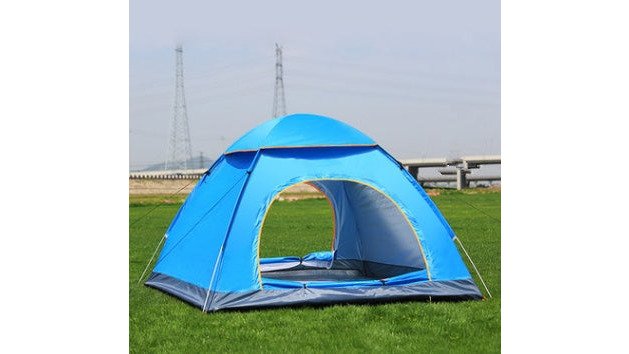
For most weekend warriors and beginner backpackers, a quality pop-up tent offers the best value proposition. The DirectDeals Pop-up Camping Tent at $202.99 provides a rainfly with PU coating and a PVC canopy for reliable shelter, plus a pop-up design that sets up in seconds. It is an excellent choice for car camping or basecamp scenarios where weight is not your primary constraint.
Backpack Durability and Comfort: What You Need to Know
Backpacks carry the weight of your entire expedition, so the gear quality of your pack directly impacts your comfort and safety. The primary differences appear in the suspension system, fabric durability, and load distribution design. A pack that fits poorly can turn a pleasant hike into a painful ordeal, regardless of how expensive it is.
Decathlon offers a range of backpacks that are generally budget-friendly and adequate for light day hikes. CampSaver carries technical packs with advanced ergonomic designs and adjustable torso lengths, which are critical for carrying heavy loads over long distances. The key specification to check is the fabric denier and the quality of the load-bearing seams.
The Large-capacity Hiking Backpack at $75.99 offers a compelling middle ground. It features a roll-top closure that expands from 30L to 35L and is crafted from multi-layered 200D nylon fabric, which provides excellent tear resistance. The three-point load distribution system, including a padded waist belt, helps reduce pressure on your shoulders and keeps the load stable on the trail.
Is Expensive Hiking Gear Worth the Cost for Beginners?
The question of whether expensive hiking gear is worth the cost is one we hear constantly from newcomers. The honest answer is that it depends entirely on how serious you plan to get about the hobby. If you are only heading out a few times a year in fair weather, premium equipment is a waste of money. The performance difference is negligible for your use case, and the price premium is substantial.
For beginners, the smarter financial move is to invest in budget-friendly gear that meets your immediate needs, then upgrade specific items as you gain experience. Your first tent or backpack does not need to be expedition-grade. It needs to be durable enough to survive a few seasons of learning, and comfortable enough to keep you enjoying the outdoors.
A common approach is to identify the "Big Three" items: shelter, sleep system, and backpack. These have the largest impact on your comfort and the highest weight-to-price ratio. Start with affordable versions of these, like the Lightweight Envelope Sleeping Bag at $66.97, which offers all-season versatility with a 210T anti-tear polyester shell.
Durable vs Lightweight Gear Trade-Offs: Making the Right Call
Every outdoor enthusiast eventually faces the durable vs lightweight gear trade-offs, and there is no single correct answer. Ultralight gear is a joy to carry, but it often sacrifices durability and comfort to achieve those low weights. Heavier, more durable gear provides peace of mind but can leave you exhausted on long ascents.
The decision matrix comes down to your specific activity. A thru-hiker covering 20 miles a day will prioritize weight above all else. A basecamper or weekend car camper can afford to carry heavier, more comfortable equipment. A climber needs gear that is both light enough to haul and durable enough to withstand abrasion against rock.
Here is a practical framework for deciding:
- Assess your trip length and terrain: Longer trips and rougher terrain demand more durable gear.
- Evaluate your physical condition: Be honest about how much weight you can comfortably carry.
- Determine your tolerance for risk: Are you comfortable with gear that requires careful handling?
- Check the weather forecast: Inclement weather demands higher waterproof ratings and seam sealing.
- Consider your budget: Durability and lightweight features both add to the cost.
The [Ultra-Light Aluminum Camping Cookware Set(/products/12pcs-camping-cookware-set-camping-stove-aluminum-pot-pans-kit-for-hiking-picnic-outdoor-with-cup-fork-spoon-knife) | adventuretrailhead.com] at $31.99 demonstrates a smart compromise. It is lightweight enough for backpacking, but the hard alumina construction is free from harmful coatings and built to last. The nestable design saves space, and the folding handle with anti-slip rubber offers safe handling over a camp stove.
Best Budget Backpacking Gear Brands: Where to Invest
When looking at the best budget backpacking gear brands, the market has changed dramatically in recent years. You no longer need to spend a fortune to get reliable, functional equipment. The key is knowing where to invest your limited budget for maximum return in performance and longevity.
The most important piece of advice is to avoid the cheapest options in critical safety categories. A $20 sleeping bag will not keep you warm at freezing temperatures, and a bargain-bin headlamp may fail when you need it most (the CDC). Instead, look for brands that offer reasonable prices backed by solid materials and honest warranty coverage.
Here is where your budget is best spent:
- Sleep System: Invest in a quality sleeping bag and pad. A good night's sleep is non-negotiable for safety.
- Footwear: Your boots or trail shoes take the most abuse. Spend more here to protect your feet and ankles.
- Rain Gear: A reliable waterproof shell is critical for preventing hypothermia in changing weather.
- Backpack: A pack with a decent suspension system will save your back and shoulders on long days.
The gear quality of your cookware and basic accessories matters less for safety, so this is where you can save money. The Camping Tent at $51.95 is an affordable entry point for fair-weather camping, offering multiple size options from 2-person to 4-person configurations. It is a practical choice for getting started without a massive upfront investment.
Warranty, Return Policies, and Long-Term Wear
The final factor in the decathlon vs campsaver gear quality comparison is how each retailer supports its products after the sale. Warranty coverage and return policies are critical indicators of a brand's confidence in its own gear quality. A generous warranty suggests the manufacturer expects its products to last.
Long-term wear and tear is where budget gear often reveals its true cost. A tent that delaminates after two seasons or a backpack with a blown seam after a year of heavy use is not a bargain at any price. This is why we emphasize checking the specific materials and construction methods, not just the price tag.
For gear purchased from AdventureTrailhead, we recommend checking the specific manufacturer's warranty for each item, as coverage varies by brand. Proper gear maintenance is also essential to extending the life of your equipment. Always clean your tent with mild soap and water, allow it to fully dry before storage to prevent mold, and store your sleeping bag loose rather than compressed.
Choosing between budget and premium outdoor gear is a challenge every adventurer faces, but the decision becomes clearer when you focus on your specific needs rather than brand names. The gear quality you need depends on your experience level, the terrain you plan to tackle, and how often you will actually use the equipment. At AdventureTrailhead, we carry a comprehensive selection of camping gear, backpacks, and outdoor apparel designed to provide reliable performance for every adventure, from your first car camping trip to your next multi-day expedition. Explore our collection and gear up to conquer the outdoors with confidence.
Frequently Asked Questions
Does Decathlon have good quality gear?
Yes, Decathlon offers good quality gear, particularly at entry-level and mid-range price points. Their products are field-tested and designed with practical features, like moisture-wicking fabrics and reasonable waterproof ratings. However, for long-term wear and tear under heavy use, you may find that more specialized retailers provide gear with higher durability and better warranty coverage. The value proposition is strong for beginners, but serious enthusiasts often upgrade.
Is expensive hiking gear worth the cost?
Expensive hiking gear is worth the cost when it directly impacts your safety, comfort, and the longevity of your kit. For example, a high-denier, abrasion-resistant backpack with a proper load distribution system will outperform a budget pack under heavy loads. Consider what you're paying for: premium materials, seam sealing, and better warranty coverage. For casual trips, budget-friendly options are fine, but for multi-day expeditions, the investment pays off.
How do return policies and warranties differ between big-box retailers and specialized gear shops?
Specialized gear shops often provide more robust warranty coverage and return policies, which is crucial for items like tents and climbing equipment. They tend to stand behind the products they sell and offer support for repairs or spare parts. Big-box retailers may have simpler return windows but often lack the long-term support for technical gear failures. For serious outdoor enthusiasts, this difference in after-sales support can be a deciding factor.
What are the primary differences between durable vs lightweight gear trade-offs?
The main trade-off is between weight and long-term durability. Lightweight gear often uses thinner materials to reduce pack weight, which can compromise abrasion resistance and long-term wear. Durable gear is heavier but withstands rough conditions and frequent use. Think about your activity: ultralight backpackers accept less durability to save ounces, while mountaineers might choose more robust, heavier gear for safety on rock faces.