
Reliable Climbing Gear for Beginners: Complete Guide
Table of Contents
- Essential Climbing Gear for Beginners
- Climbing Gear Safety Standards You Should Know
- How Long Do Climbing Ropes Last and When to Replace Them
- Indoor vs. Outdoor Climbing Gear: What Changes
- Climbing Gear Checklist for Beginners
- Gear Durability, Fit, and Transitioning from Gym to Crag
- Conclusion
Last Updated: August 19, 2026
Essential Climbing Gear for Beginners
When you're starting out in climbing, the right gear makes the difference between a fun day and a dangerous one. Reliable climbing gear for beginners doesn't mean buying the most expensive equipment, it means understanding what actually keeps you safe and lets you progress without wasting money on gear you'll outgrow in three months.
At AdventureTrailhead, we offer a comprehensive selection of essential climbing and mountaineering equipment designed to help you conquer the great outdoors with confidence. The key is knowing which pieces are non-negotiable safety equipment and which ones you can upgrade later as your skills develop.
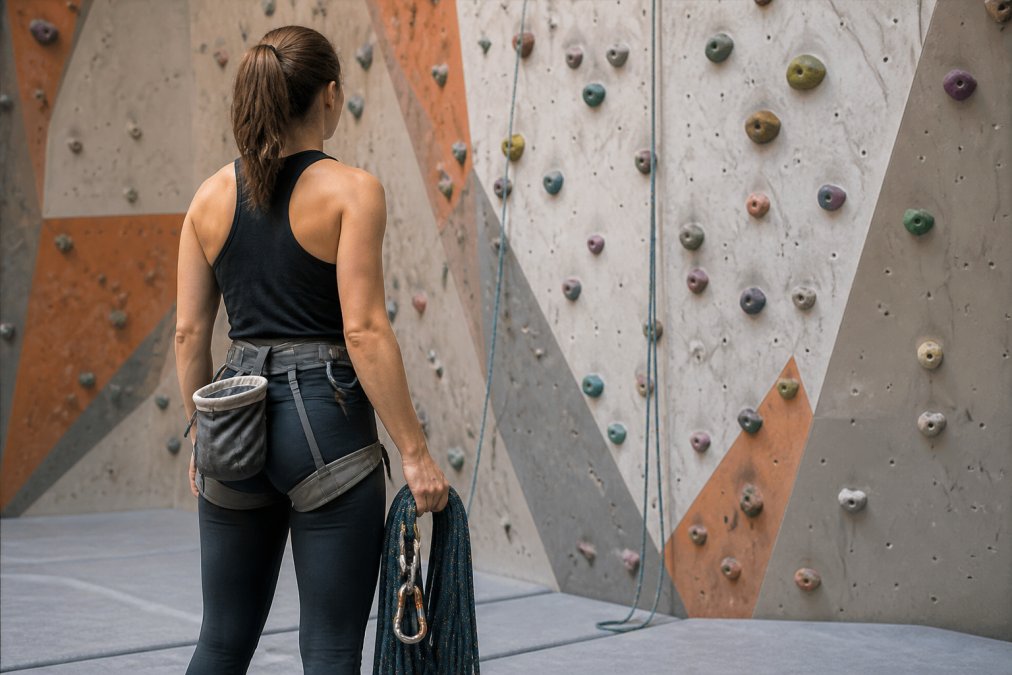
Climbing Harnesses: Fit, Comfort, and Support
A climbing harness is the foundation of your safety system. The harness connects you to the rope and distributes the force of a fall across your body rather than concentrating it in one spot. This is why fit matters more than brand name.
Look for a harness with a belay loop, a reinforced loop at the front where your belay device attaches, and gear loops around the sides where you'll clip quickdraws and other equipment. The waist belt should sit comfortably above your hip bones without pinching or sliding. Many beginners make the mistake of buying a harness that's too loose thinking they'll grow into it. A poorly fitting harness will rotate during a climb, which is both uncomfortable and unsafe.

AdventureTrailhead carries the Outdoor Safety Belt Climb Rock Safety Harness at $28.52, which works well for gym climbing and basic outdoor climbs. For more serious climbing, the Full Body Climbing Harness with Multi D Ring Support at $118.00 provides additional attachment points and better weight distribution during longer climbs. The Outdoor Climbing Belt Safety Harness Gear Equipment at $104.83 offers a middle ground with solid padding and multiple gear loops.


Pay attention to harness padding. Your waist and thighs will thank you during multi-pitch climbs where you're hanging in the harness between pitches. Thinner padding works fine for gym climbing where you're constantly moving, but outdoor climbing demands more comfort.
Belay Devices and Carabiners
Your belay device controls the rope and slows your partner's descent. The two most common types are tubular devices (like an ATC or Grigri) and assisted-locking devices. Tubular devices require active hand control, you're managing friction by how you position the rope. Assisted-locking devices add a mechanical advantage that makes belaying easier and adds a safety margin if you lose focus.
For beginners, a tubular device is standard and sufficient. They're lighter, cheaper, and teach you proper rope management. The Kong Lift Hand Ascender at $80.95 from AdventureTrailhead gives you a backup option for rope work and emergency scenarios.
Carabiners are the metal links that connect everything. You need locking carabiners for critical connections, specifically where your belay device attaches to your harness. The locking mechanism prevents accidental opening under load. The Rock Climbing O Shape Thread Lock Carabiner at $32.65 is a solid choice for gym and beginner outdoor climbing.
Non-locking carabiners work fine for quickdraws (the pre-made slings with carabiners on both ends that clip to bolts), but always use locking carabiners where safety is critical. A common mistake is buying the cheapest carabiners and then discovering they're hard to clip under pressure. Spend a bit more on carabiners you can manipulate easily while pumped.
Climbing Shoes and Chalk Bags
Climbing shoes have sticky rubber soles and a downturned shape that lets your feet grip small holds. Street shoes will slip off rock. Climbing shoes concentrate your weight on your toes, which feels strange at first, but it's essential for standing on small edges.
Start with a moderately downturned shoe in your normal street shoe size or a half-size smaller. Too much downward curve makes your feet hurt during long sessions. Too little, and you lose the advantage of the design. Most beginners buy shoes that are way too tight thinking they need to be snug. A properly fitted climbing shoe should feel firm but not painful.
Chalk reduces sweat on your hands and improves grip. Chalk bags clip to your harness and let you dip your hands quickly between attempts. Liquid chalk dries faster and works better in humid conditions, but it's messier and more expensive. Loose chalk is the standard for most climbers.
The difference between gym chalk and crag chalk doesn't matter for beginners, both work fine. What matters is having chalk available. A cheap chalk bag from any outdoor retailer will serve you well.
Climbing Gear Safety Standards You Should Know
Climbing equipment sold in the United States must meet standards set by the UIAA (Union Internationale des Associations d'Alpinisme) or ASTM International. These certifications ensure carabiners, harnesses, and ropes have been tested for strength, durability, and safety under realistic climbing conditions.
When you buy from established retailers like AdventureTrailhead, the equipment has already passed these tests. What you should do is check that the product description mentions the certification. If it doesn't, ask before buying.
Dynamic ropes (the ropes used for lead climbing) are designed to stretch under load, which absorbs the energy of a fall and reduces the force on your body. Static ropes (used for rappelling or hauling) don't stretch. Using a static rope for lead climbing is dangerous because the sudden stop can injure you. Always confirm you're using the right rope type for the situation.
How Long Do Climbing Ropes Last and When to Replace Them
A climbing rope's lifespan depends on how often you use it and how you treat it. A rope used twice a week in a gym might last two to three years. A rope used once a month on outdoor crags might last five years. The key is inspection, not calendar age.
Inspect your rope regularly for signs of damage. Look for soft spots, flat sections, discoloration, or visible cuts in the sheath. If the rope feels lumpy or damaged sections are visible, retire it. A rope that's been dropped from height, stepped on repeatedly, or exposed to chemicals should be replaced even if it looks fine.
Store your rope in a cool, dry place away from direct sunlight. UV damage degrades the fibers over time. Coiling your rope tightly can also create weak spots, so use a rope bag that lets it lay flat or loosely coiled.
Many climbers replace ropes every five years as a safety margin, even if they don't show obvious damage. This is a reasonable approach if you're climbing outdoors regularly. For gym climbers, a rope can last longer because the environment is controlled and falls are less severe.
Indoor vs. Outdoor Climbing Gear: What Changes
Indoor gym climbing and outdoor rock climbing use the same basic safety systems, but the gear configurations differ. In a gym, the bolts are already installed in the wall. You clip quickdraws to the bolts, and your rope runs through the carabiners. The wall is inspected regularly, and the environment is controlled.
Outdoor climbing requires additional gear. You need a rack of quickdraws, slings, and carabiners to set up anchors at the top of the pitch. You need to know how to build anchors, assess rock quality, and manage rope management in variable weather. Your harness needs more gear loops because you're carrying more equipment.
The rope itself might be different. Gym ropes are often thinner and lighter because falls are shorter and the rope doesn't drag across sharp rock. Outdoor ropes are thicker and more durable. Dynamic ropes for outdoor climbing are typically 9.8 to 10.2 millimeters in diameter.
Chalk bags work the same way indoors and outdoors, but outdoor climbing often means dusty or wet conditions. Liquid chalk or chalk balls work better when conditions are damp.
Your shoes might be the same, but outdoor climbing often involves walking to the crag, scrambling on rock, and standing on varied terrain. Some climbers prefer stiffer shoes for outdoor climbing that provide better support during approach hikes.
The biggest difference is mental. Outdoor climbing exposes you to real consequences, loose rock, weather, longer falls, and no safety net. Your gear needs to be in perfect condition, and your technique needs to be solid. This is why most climbers spend at least a season in the gym before moving outdoors.
Climbing Gear Checklist for Beginners
Before your first climb, you need these items:
| Item | Purpose | Notes |
|---|---|---|
| Climbing harness | Connects you to the rope | Must fit snugly at the waist |
| Belay device | Controls rope during belays | Tubular devices are standard for beginners |
| Locking carabiner | Attaches belay device to harness | Always use locking for critical connections |
| Climbing shoes | Provides grip on rock | Start with moderate downturn |
| Chalk and chalk bag | Reduces sweat and improves grip | Loose chalk is fine for beginners |
| Dynamic rope | Absorbs energy during falls | Never use static rope for lead climbing |
| Quickdraws | Connect rope to bolts | Usually provided by gym or climbing partner |
| Helmet | Protects against falling rock and head impacts | Non-negotiable for outdoor climbing |
For gym climbing, you can skip the helmet and some quickdraws, the gym provides them. For outdoor climbing, you need everything on this list plus additional gear for anchor building.
A common mistake is buying a full rack of expensive carabiners before you know what you're doing. Start with what's on this checklist. Once you've climbed for a few months and understand how everything works, upgrade specific items based on what you're actually using.
Gear Durability, Fit, and Transitioning from Gym to Crag
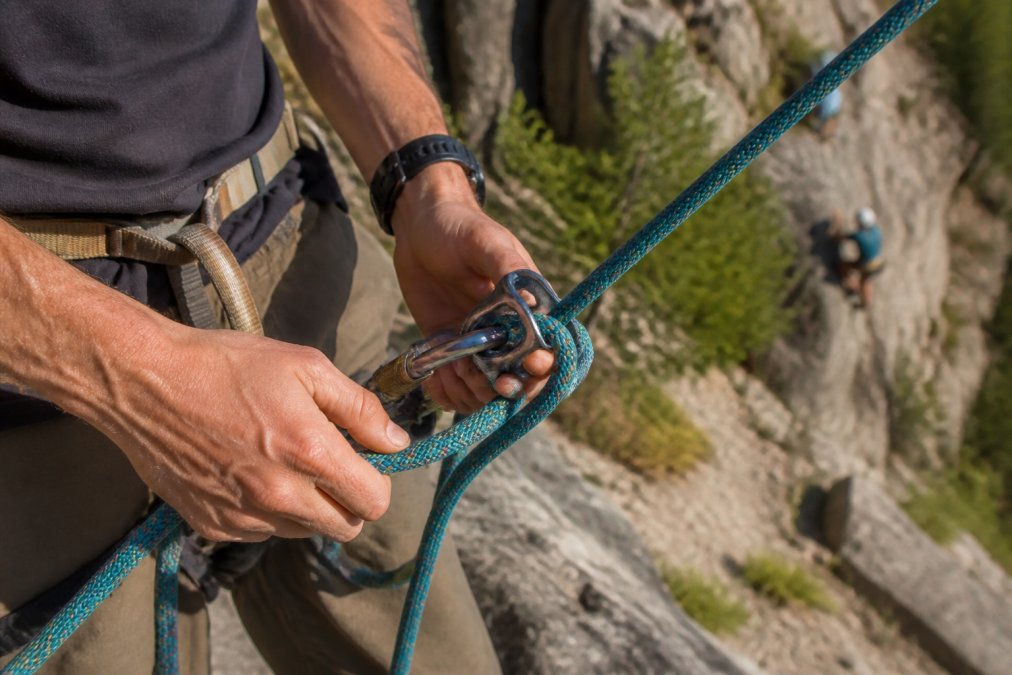
Your gear will last longer if you treat it properly. Carabiners and quickdraws can last decades if you don't drop them repeatedly or expose them to extreme conditions. Harnesses last five to ten years depending on use. Ropes have the shortest lifespan and need the most attention.
Fit changes as you progress. A harness that feels perfect in the gym might feel restrictive when you're climbing for six hours on a multi-pitch route. Some climbers prefer padding in the gym and minimal padding outdoors. Your shoe preferences will shift too, what works for short gym sessions might not work for approach hikes and all-day climbing.
The transition from gym to crag is where many beginners struggle with gear. Gym climbing teaches you movement and technique in a controlled environment. Outdoor climbing introduces real rock, variable conditions, and the responsibility of managing your own safety. Your gear needs to adapt to this change.
Start by climbing outdoors at a developed crag with established bolts and a climbing partner who has outdoor experience. You don't need special gear for this, your gym gear works fine. What you need is knowledge. Learn how to inspect bolts, build anchors, manage rope on real rock, and assess weather and conditions.
Invest in a helmet before your first outdoor climb. This is non-negotiable. Falling rock, loose debris, and accidental head impacts are real hazards outdoors. A helmet costs between $50 and $150 and protects you from injuries that could end your climbing career.
As you climb more outdoors, you'll discover which pieces of gear matter most to you. Some climbers prefer lightweight equipment and minimal padding. Others want maximum comfort and don't mind the extra weight. Your personal preferences will guide your gear choices over time.
The thing nobody tells you about transitioning to outdoor climbing is that your technique needs to be sharper. Gym holds are standardized and forgiving. Real rock is variable and unforgiving. You'll climb harder grades in the gym than you can outdoors initially. This is normal. Give yourself time to adapt.
Frequently Asked Questions
What is the essential climbing gear for beginners?
Start with a climbing harness, belay device, locking carabiner, climbing shoes, and chalk bag. For outdoor climbing, add a dynamic rope and quickdraws. The harness is your most critical piece, it distributes your weight across your hips and thighs, the strongest parts of your body. A belay device like an ATC or GriGri controls rope friction during belaying. Locking carabiners secure your belay loop. Climbing shoes provide the friction and precision you need on rock. Chalk reduces hand moisture for better grip.
How do I know if my climbing gear is safe to use?
Check for CE and UIAA certifications on harnesses, ropes, and carabiners, these meet rigorous safety standards. Inspect your harness for fraying, tears, or faded stitching. Test your belay device for smooth operation. Look for cuts, burns, or flat spots on your rope. Carabiners should lock smoothly without resistance. If any gear shows damage, retire it immediately. Always verify that your harness fits snugly at the waist and thighs with no twisting. Third-party reviews from climbers who've used gear in real conditions are also valuable signals of reliability.
Should beginners buy new or used climbing gear?
Buy new harnesses, ropes, and carabiners. These are your safety-critical items and you can't fully assess their history when used. Used shoes and chalk bags are fine, they wear out but don't fail catastrophically. If you find used gear, ask the seller about impact history, storage conditions, and whether it's ever been in a fall. Many climbers buy full kits from retailers like AdventureTrailhead to ensure every piece is new and certified, which costs less than buying items individually over time.
How often should I replace my climbing harness and rope?
Replace your harness every 5-7 years or after a major fall that puts force on it. Inspect it annually for wear. Dynamic ropes last 5-10 years depending on use frequency and care, ropes that take repeated falls degrade faster. Static ropes used for anchors last longer but should still be retired after 10 years or visible damage. Store ropes away from sunlight, chemicals, and extreme heat. Keep your harness dry and out of direct sun. Proper storage and inspection extend gear life significantly and keep you safer on the rock.
What climbing gear safety standards should I look for?
Look for CE (Conformité Européenne) and UIAA (Union Internationale des Associations d'Alpinisme) certifications on all climbing equipment. CE marks indicate the gear meets European safety directives. UIAA standards are stricter and specific to climbing, they test impact force, weight-to-strength ratio, and durability. Harnesses, ropes, carabiners, and belay devices should all carry these marks. Check product tags and certifications before buying. Certified gear has been independently tested for safety and performance in real climbing conditions.
Is there a difference between gym and outdoor climbing gear?
Gym climbing requires a harness, belay device, and carabiner. Outdoor climbing adds dynamic ropes, quickdraws, locking carabiners, and anchoring gear. Gym walls are pre-set with bolts, so you don't need to place protection. Outdoor crags demand knowledge of setting anchors and managing rope friction over natural rock. Gym shoes can transition to outdoor use, but outdoor climbing demands more precise footwork and friction. Your harness, belay loop, and gear loops must handle more complex setups outdoors. Many beginners train in gyms first to learn technique before moving to outdoor rock.
Does AdventureTrailhead have climbing harnesses that fit different body types?
Yes. Our climbing harness selection includes options designed for men, women, and children with adjustable buckles and padding that accommodate different shoulder widths and hip shapes. The Outdoor Safety Belt Climb Rock Safety Harness ($28.52) adjusts to fit most body types, while the Full Body Climbing Harness with Multi D Ring Support ($118.00) offers multiple D-rings for different climbing styles. Proper harness fit is critical, your waist should be snug, and thighs should have padding without pinching. Try harnesses on or check return policies to ensure comfort before your first climb.
Starting your climbing journey with reliable gear means focusing on safety, fit, and quality over brand names and price tags. AdventureTrailhead provides the essential equipment you need to climb safely and progress confidently from gym to crag. The harnesses, carabiners, and safety equipment we carry meet industry standards and have been tested by climbers in real conditions. Get started with AdventureTrailhead and build a foundation of gear that will support your climbing for years to come.
This article was written using GrandRanker