
Best Kayaking Gear for Beginners 2026
Table of Contents
- How to Choose a Beginner Kayak
- Essential Kayaking Gear Checklist
- What to Wear Kayaking
- Budget-Conscious Gear Scaling for New Paddlers
- Gear for Specific Water Conditions
- Post-Purchase Maintenance and Repair
- Conclusion
Last Updated: August 24, 2026
How to Choose a Beginner Kayak
Choosing the right kayak is the foundation of everything that follows. Most beginners make this decision based on price or appearance, then spend months frustrated with a boat that doesn't match their actual needs. The best kayaking gear for beginners starts with selecting a hull design that prioritizes stability and ease of use over speed or advanced features.
Two primary hull designs dominate the beginner market: sit-on-top and sit-inside kayaks. Each offers distinct advantages depending on your intended water conditions and comfort level.
Sit-On-Top vs. Sit-Inside Hull Design
Sit-on-top kayaks deliver maximum stability and ease of entry, making them the default choice for most beginners. You sit on top of the hull rather than inside a cockpit, which means your center of gravity sits higher but your balance point remains forgiving. If you capsize, re-entry is straightforward, you simply climb back on from the water without needing specialized techniques.
Sit-on-tops excel on calm lakes, rivers, and coastal areas. The open deck provides freedom of movement and superior storage for gear. The tradeoff: they're slower than sit-inside models and more exposed to wind and spray.
Sit-inside kayaks position you lower in the boat, creating a lower center of gravity that improves tracking and speed. You're enclosed in a cockpit with a spray skirt to keep water out. This design works better for longer distances and rougher conditions, but demands more technique, if you capsize, you must perform a wet exit and re-entry.
For beginners, sit-on-top is almost always the better starting point. The stability and accessibility matter more than marginal speed gains.

Stability, Tracking, and Load Capacity
Three specifications determine whether a kayak feels forgiving or tippy: stability, tracking, and load capacity.
Stability refers to how resistant the kayak is to tipping. Primary stability (how stable it feels when sitting still) matters most for beginners. Wider hulls and flatter bottoms increase primary stability. Kayaks under 9 feet wide offer moderate stability; anything wider than 10 feet feels exceptionally stable. The V-chine hull design reduces water resistance while maintaining stability, making it ideal for recreational paddling.
Tracking is the kayak's ability to move in a straight line without constant paddle corrections. Longer kayaks (10+ feet) track better than shorter models, reducing fatigue from constant course corrections.
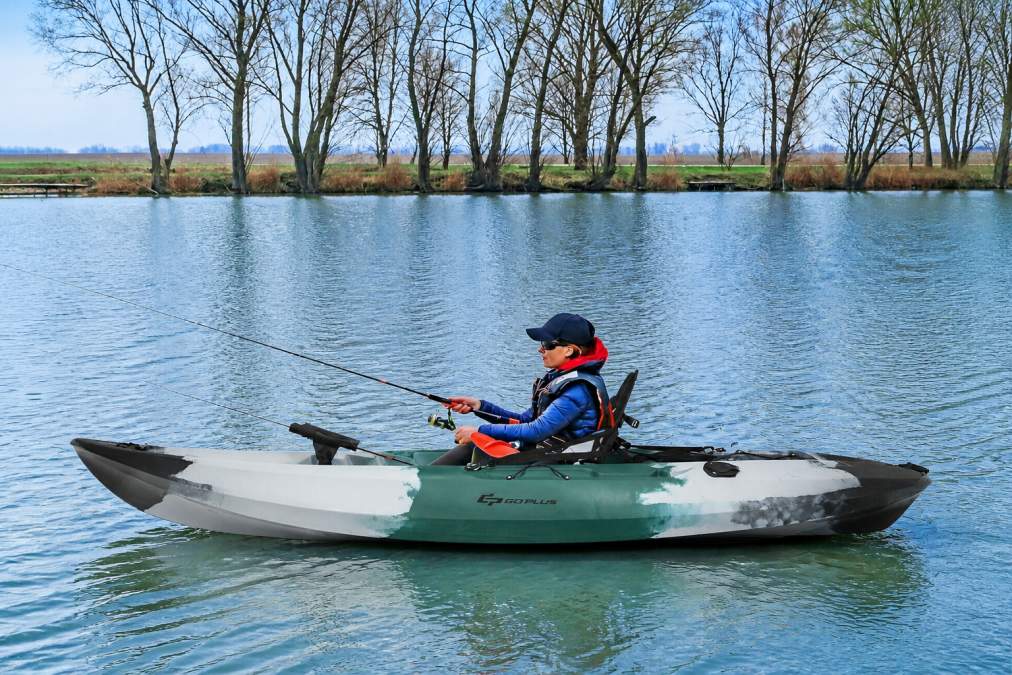
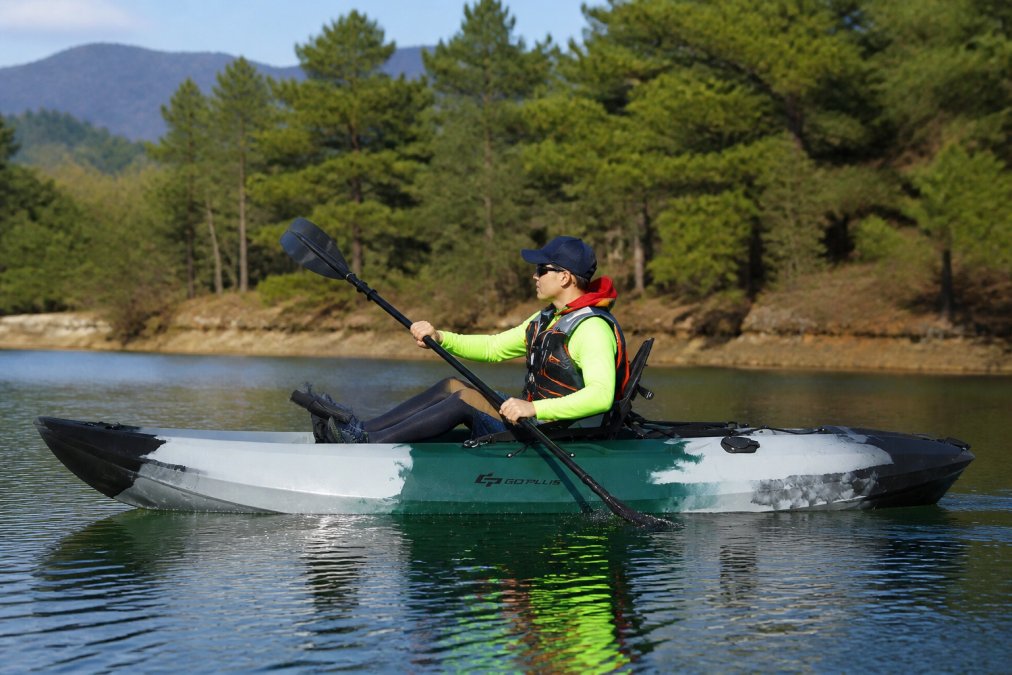
Load capacity is the maximum weight the kayak safely supports. Most recreational kayaks support 250-300 lbs. The AdventureTrailhead Single Sit On Top Kayak with Detachable Aluminum Paddle supports up to 287 lbs and includes a V-chine hull design that balances stability with tracking efficiency. If you're heavier or plan to carry significant gear, verify load capacity explicitly, undersized boats feel unstable and perform poorly.
Beginners benefit most from kayaks in the 9-11 foot range with load capacities of 275+ lbs.
Essential Kayaking Gear Checklist
Beyond the kayak itself, specific gear keeps you safe, dry, and comfortable. A kayaking safety equipment checklist should include a personal flotation device, a paddle float, a bilge pump or bailer, a safety whistle, a tether or paddle leash, and a headlamp or navigation light for visibility.
Personal Flotation Devices and Safety
A personal flotation device (PFD) is non-negotiable. The Coast Guard requires one for every person on a kayak, and beyond legal compliance, a PFD saves lives if you capsize or fatigue unexpectedly (uscg.gov). Modern kayak-specific PFDs are designed for paddling, they don't restrict arm movement and won't ride up around your neck.
Look for PFDs with mesh panels for breathability, adjustable straps for a custom fit, and pockets for small essentials like a whistle or sunscreen. The Universal Adult Windsurfing Life Jacket from AdventureTrailhead ($39.73) provides buoyancy support in multiple sizes and delivers the lightweight design that allows comfortable movement during water activities.

Beyond the PFD, carry a safety whistle attached to your jacket. Three short blasts is the universal distress signal. Include a paddle float (an inflatable bag that slides onto your paddle shaft) to help you re-enter the kayak if you capsize in deep water. A bilge pump removes water that splashes into the cockpit or collects in the hull.
Paddles, Dry Bags, and Accessories
Your paddle is as important as the kayak. A well-matched paddle reduces fatigue and improves control. Paddle length depends on kayak width and your height. Most beginners need paddles in the 220-240 cm range. Aluminum shafts are durable and rust-resistant, though they conduct cold; neoprene grips help.
Dry bags keep your phone, keys, and valuables safe from water. The EcoGear FX Voyager Waterproof 30L Dry Bag ($34.99) uses a roll-top closure and high-grade 500D PVC tarpaulin material to stop water from entering. It includes a bonus waterproof phone case, making it practical for day trips.
Additional accessories worth considering include a kayak cart for transport, a deck bag for quick-access items, and a paddle leash to prevent losing your paddle if you capsize.
What to Wear Kayaking
Clothing choices directly impact your comfort and safety on the water. Water temperature, air temperature, and trip duration determine what you should wear. The biggest mistake beginners make is dressing for the air temperature rather than the water temperature. If you capsize, you'll be in the water, dress for that scenario.
Moisture-Wicking Base Layers and Breathable Fabrics
Your base layer is the foundation of your kayaking outfit. Cotton absorbs water and loses insulating properties when wet, avoid it entirely. Moisture-wicking synthetic fabrics (polyester, nylon) or merino wool pull sweat away from your skin and retain warmth even when damp.
For warm-water paddling (above 70°F), lightweight, breathable layers work fine (peer-reviewed research). A rash guard or quick-dry shirt provides sun protection and reduces chafing from the PFD. For cool water (50-70°F), add a wetsuit or thick neoprene layer underneath. In cold water (below 50°F), a full-body wetsuit or dry suit is essential, hypothermia develops quickly, and a wetsuit is your primary defense (the CDC).
Water temperature matters more than air temperature. A 50°F lake on a 75°F sunny day still demands thermal protection because water pulls heat from your body rapidly.
Water Shoes and Sun Protection
Water shoes protect your feet from sharp rocks, shells, and rough boat surfaces while providing grip on wet decks and launch areas. Quick-dry shoes with drainage holes are essential. The Men's Quick-Dry Water Sports Shoes ($59.99) feature breathable mesh uppers and non-slip soles designed specifically for water activities. For budget-conscious beginners, the Unisex Quick-Dry Water Shoes ($10.00) deliver anti-slip rubber soles and lightweight nylon construction.
Sun protection extends beyond sunscreen. Wear UV-protective sunglasses with polarized lenses to reduce glare off the water. A wide-brimmed hat or visor shields your face and neck. Apply broad-spectrum sunscreen with SPF 30+ to all exposed skin, reapplying every two hours or after swimming.
Many beginners underestimate sun exposure on the water. Reflection off the water intensifies UV rays, and you have minimal shade while paddling.
Budget-Conscious Gear Scaling for New Paddlers
Starting with kayaking doesn't require spending thousands. Smart prioritization lets you build a functional setup incrementally.
Your first purchase should be the kayak and a PFD, these are non-negotiable. The AdventureTrailhead Sit On Top Fishing Kayak ($1,485.99) offers multiple rod holders, comfortable padding, and stable V-chine hull design at a mid-range price point. A quality PFD costs $40-50; don't compromise here.
Second priority: a paddle, dry bag, and basic safety gear (whistle, paddle float). These items cost $100-150 total and prevent dangerous situations.

Third priority: water shoes and sun protection. These cost $30-70 and dramatically improve comfort on longer trips.
Only after covering these essentials should you consider upgrades like advanced navigation tools or specialized clothing. Start minimal, paddle frequently, and upgrade based on what you actually need.
Gear for Specific Water Conditions
Water conditions dramatically change what gear you need. Understanding your primary paddling environment guides your gear choices.
Calm lakes and slow rivers demand minimal specialized gear. Stability and comfort matter most. A sit-on-top kayak with a wide, flat hull excels here. Basic safety equipment (PFD, whistle, paddle float) is sufficient.
Rivers with current require a skeg (a small fin deployed from the bottom of the kayak) to improve tracking, and a rudder for directional control. A tether or paddle leash prevents losing your paddle if the current is strong.
Coastal and ocean paddling introduces waves, wind, and tidal currents. A sit-inside kayak with a spray skirt becomes more practical because it keeps waves and spray out of the cockpit. A rudder is essential for maintaining course in wind. A bilge pump becomes critical because waves splash water into the boat.
Cold-water paddling (below 60°F) requires a wetsuit or dry suit, insulated gloves, and thermal protection for your head. Hypothermia develops quickly in cold water, and proper clothing is your primary defense.
Match your gear to your environment. Overbuying for conditions you don't encounter wastes money; underpreparing creates safety risks.
Post-Purchase Maintenance and Repair
Kayak maintenance extends the life of your investment and catches problems before they become dangerous. After each paddling session, rinse your kayak with fresh water, especially if you paddled in salt water. Let it dry completely before storing. Store in a shaded location away from direct sunlight, UV exposure fades the hull and weakens the material.
Inspect your kayak regularly for cracks, soft spots, or damage. Small cracks can be repaired with marine epoxy or a kayak repair kit. Check all attachment points for looseness or damage. Test your skeg or rudder (if equipped) to ensure smooth operation.
Maintain your paddle by rinsing it after use and storing it in a cool, dry location. Inspect your PFD for tears or foam degradation, and replace it if it shows signs of damage.
Regular maintenance prevents expensive repairs and keeps your gear reliable. A kayak properly maintained lasts decades.
Starting your kayaking journey means investing in the right foundation. The best kayaking gear for beginners prioritizes stability, safety, and comfort, a sit-on-top kayak, a proper personal flotation device, a well-matched paddle, and appropriate clothing cover your essential needs. AdventureTrailhead offers a comprehensive selection of water sports gear designed for beginners, including stable kayak options with comfortable seating and multiple storage solutions. Begin with these fundamentals, paddle frequently in calm conditions, and upgrade based on your actual experiences rather than hypothetical scenarios. Your confidence and enjoyment grow when your gear matches your skill level and your paddling environment.
Frequently Asked Questions
What should I wear for my first time kayaking?
Wear moisture-wicking base layers, quick-dry water shoes, and a personal flotation device (PFD). Avoid cotton, which absorbs water and loses insulating properties. A lightweight, breathable top and shorts or quick-dry pants work well for warm conditions. For cooler water, consider a wetsuit or dry suit. Always prioritize visibility and safety, bright colors or reflective gear help others spot you on the water.
How do I choose the right size life jacket for kayaking?
A proper-fitting PFD should be snug but not restrictive. The jacket should not ride up when you raise your arms, and you should be able to fit one finger between the PFD and your body. Check the weight rating on your life jacket, it must support your body weight. Most adult PFDs range from S to 3XL sizes. Universal Adult Windsurfing Life Jackets at AdventureTrailhead ($39.73) come in multiple sizes and provide reliable buoyancy for kayaking.
What is the best kayak for beginners, sit-on-top or sit-inside?
Sit-on-top kayaks are ideal for beginners because they offer superior stability, easier re-entry if you capsize, and better visibility. They're more forgiving for learning. Sit-inside kayaks are faster and more efficient but require better technique and are harder to exit in an emergency. For your first kayak, a sit-on-top with a V-chine hull design, like the Single Sit On Top Kayak with Detachable Aluminum Paddle ($2,165.99), provides the balance of comfort and performance beginners need.
What kayaking safety equipment do I absolutely need?
A personal flotation device (PFD) is non-negotiable and federally required on most waters. You also need a paddle, a dry bag to protect electronics and essentials, and a paddle float for re-entry practice. A safety whistle attached to your PFD helps rescuers locate you. Consider a bilge pump or bailer to remove water if you take on spray. The EcoGear FX Voyager Waterproof 30L Dry Bag ($34.99) keeps your gear protected and includes a waterproof phone case.
Do beginners need a spray skirt for kayaking?
Spray skirts are not essential for beginners, especially those paddling sit-on-top kayaks, which have no cockpit to seal. They're most useful for sit-inside kayaks in cold water or rough conditions to prevent water from entering the cockpit. If you're starting with a sit-on-top in calm water, skip the spray skirt initially. As you progress and encounter different water conditions, you can add one later.
This article was written using GrandRanker