
Best Climbing Harness for Indoor Gym Climbing (2026)
Table of Contents
- The Best Climbing Harness for Indoor Gym Climbing: Quick Comparison
- How to Choose a Climbing Harness for the Gym
- Climbing Harness Fit Guide: Sizing, Adjustment, and Comfort
- Best Beginner Climbing Harness Options at AdventureTrailhead
- Climbing Harness for Top Rope Climbing: What Matters Most
- Rental Harness vs Buying Your First Harness
- Inspection, Care, and When to Retire a Harness
- Frequently Asked Questions
Last Updated: October 9, 2026
The Best Climbing Harness for Indoor Gym Climbing: Quick Comparison
Finding the best climbing harness for indoor gym climbing comes down to fit, comfort over repeated sessions, and a belay loop you trust.
Quick Picks:
- Best Overall: Outdoor Climbing Belt Safety Harness Gear Equipment, $104.83, our top pick for most gym climbers
- Best Budget Pick: Outdoor Safety Belt Climb Rock Safety Harness, $28.52, a low-cost way to start
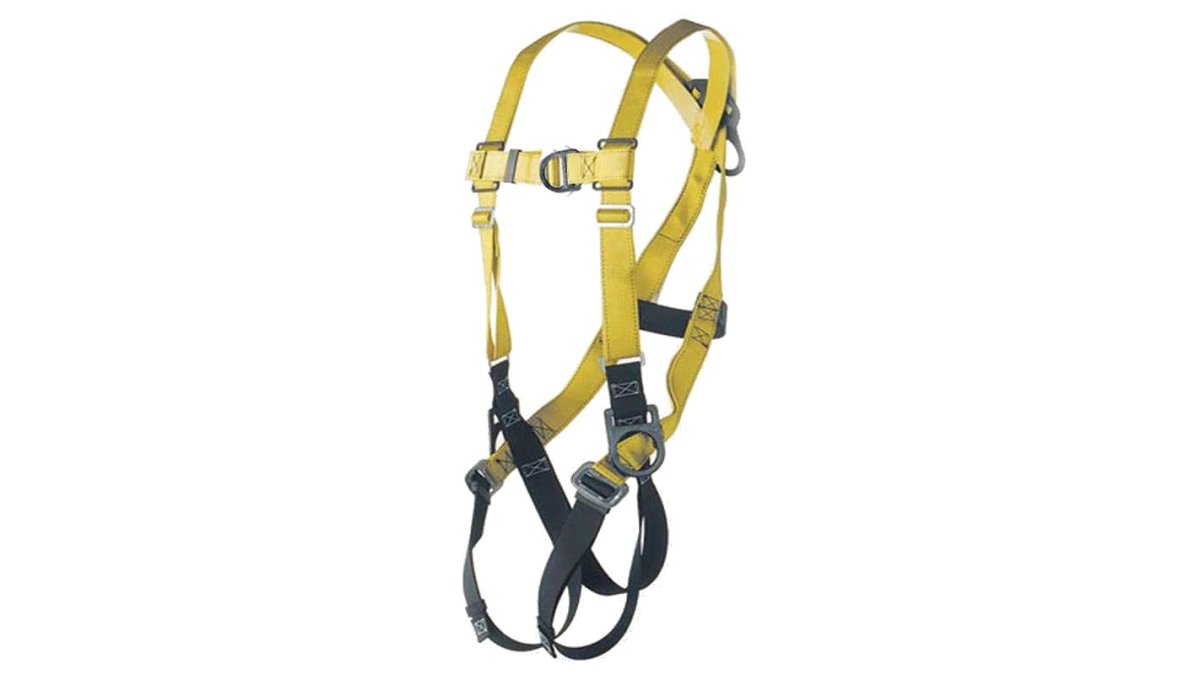
- Best for Broader Fit Needs: Full Body Climbing Harness with Multi D Ring Support, $118.00
A climbing harness is a load-bearing piece of equipment made of webbing and padding that distributes force across your waist and thighs while connecting you to the rope.
| Harness | Price | Style | Best For |
|---|---|---|---|
| Outdoor Safety Belt Half Body Harness | $28.52 | Half body | Budget starters |
| Outdoor Climbing Belt Safety Harness | $104.83 | Climbing belt | Most gym climbers |
| Full Body Climbing Harness with D-Rings | $118.00 | Full body | Broader builds, rope access |
How to Choose a Climbing Harness for the Gym
Gym climbing puts different demands on a harness than outdoor rock does. You'll wear it for an hour or two at a time, take repeated falls onto soft mats, and hang in it while belaying a partner. That makes padding, breathability, and buckle security the three things worth caring about most.


Waistbelt, Leg Loops, and Buckle Types
The waistbelt is the wide padded band around your hips. Leg loops wrap around each thigh and come in two styles: adjustable leg loops, which use buckles to change size, and fixed leg loops, which are sewn to a set length. Adjustable loops suit climbers who layer clothing or share a harness; fixed loops are lighter but less forgiving.
Buckles matter more than most beginners realize. A double-back buckle requires you to thread the webbing back through after tightening, and forgetting that step is one of the most common gym mistakes we see. Auto-locking buckles remove that risk by locking themselves once tightened.
Belay Loop, Tie-In Points, and Gear Loops
The belay loop is the strong stitched loop at the front of the harness where you attach a belay device or a locking carabiner. It's the single most important connection point on the harness, so inspect it every session. The tie-in points sit just above and below the belay loop and are where you thread your climbing rope.
Gear loops are the small fabric loops around your waist for racking gear. In a gym you'll use them for a chalk bag, a phone, or a small belay device, not a full trad rack. A haul loop at the back is handy for dragging a bag or clipping a water bottle.
Climbing Harness Fit Guide: Sizing, Adjustment, and Comfort
A climbing harness fit guide starts with one rule: the waistbelt should sit above your hip bones, snug enough that you can't pull it down over your hips when it's tightened.
Measure your waist and thighs with a soft tape, then compare against the size chart.
Comfort over repeated sessions comes down to padding and breathability. Both the waist and legs on our half body harness are made from breathable materials, which helps when you're sweating through a bouldering session.
A Simple Safety-Focused Fit Checklist
Run through this before every climb:
- Waistbelt sits above your hip bones and can't be pulled down over them
- Buckles are doubled back or auto-locked, with no loose webbing tails
- Leg loops are snug but allow a flat hand to slide underneath
- Belay loop shows no fraying, fuzzing, or worn stitching
- Gear loops and haul loop are intact
- You can hang comfortably for 30 seconds without pinching
Best Beginner Climbing Harness Options at AdventureTrailhead
The best beginner climbing harness is one that fits correctly on the first try, adjusts without a manual, and doesn't cost so much that you resent buying it.
Outdoor Safety Belt Climb Rock Safety Harness, $28.52. Our budget pick. It's a half body harness with an adjustable buckle that suits most sizes, and both the waist and legs use breathable materials.
Outdoor Climbing Belt Safety Harness Gear Equipment, $104.83. Our top overall pick.

Full Body Climbing Harness with Multi D Ring Support, $118.00. Built for climbers who want extra stability, with D-rings on the back, front, and hips for secure attachment.
How to Match a Harness to Your Body and Session Pattern
- If your waist and thighs fall in very different size brackets (for example, a small waist and larger thighs), prioritize adjustable leg loops over fixed ones. Fixed loops are lighter but leave no room to compensate.
- If you belay more than you climb, weight the decision toward padding and a wide waistbelt. Hanging comfort matters more than fall comfort in a gym.
- If you climb in layers or share gear, adjustable buckles on both waist and legs are worth the small weight penalty.
- If you're between sizes, size up rather than down. A harness that's slightly loose can be tightened; one that's too small cannot be made safe.
American Alpine Club guidance on climbing gear and safety is worth reading before your first harness purchase, particularly on how load distribution works and why fit matters more than feature count.
Outdoor Safety Belt Climb Rock Safety Harness Tree Climbing Half Body Harness →
Climbing Harness for Top Rope Climbing: What Matters Most
A climbing harness for top rope climbing needs a strong belay loop, comfortable hanging position, and padding that holds up while you belay. Top rope falls are short and low-impact, so fall comfort matters less than hanging comfort, which flips the usual priorities. In a gym you'll spend far more time belaying your partner than falling, so a slightly heavier but better padded harness beats a stripped-down lightweight model.
Two more things to check for top rope work. First, your gear loops should sit far enough back that they don't interfere with your belay device. Second, if you're wearing harness-compatible clothing, avoid thick seams at the waist, since they create pressure points under the waistbelt.
Rental Harness vs Buying Your First Harness
Renting is the right call for your first two or three visits. Gym rental harnesses are inspected regularly and let you test different fits before committing.
Buying makes sense once you're climbing weekly. A rental harness is shared, adjusted constantly, and rarely matches your body as well as your own gear. Our budget half body harness at $28.52 costs roughly the same as a handful of rental fees, which is the simplest argument for buying early. There's also a hygiene angle: rental harnesses sit against skin all day, and having your own means it fits the same way every session, making your pre-climb safety check faster and more reliable.
Inspection, Care, and When to Retire a Harness
This is the section most harness roundups skip, and it's the one that matters most for safety. A harness is a load-bearing system, and its condition, not its price or brand, determines whether it will hold. Here's a framework you can run in under a minute before every session.
The Pre-Session Inspection
Run your hands over the harness in this order, every time:
- Belay loop. Run a thumb along the stitching. Look for fraying, fuzzing, cuts, or stitching that's pulled or worn. This is the single most important connection point, so inspect it first.
- Tie-in points. Check the webbing above and below the belay loop for abrasion, glazing (a shiny, melted look), or chemical stains.
- Waistbelt and leg loops. Look for cuts, punctures, and any place the webbing has been abraded against rock or gym hardware.
- Buckles. Confirm they lock, that the webbing threads cleanly, and that no teeth are bent or missing.
- Gear loops and haul loop. Check for torn stitching or stretched fabric.
Cleaning and Storage
Harnesses don't need frequent washing, but when they get sweaty or chalky, hand-wash in lukewarm water with a mild, non-detergent soap. Never use bleach, fabric softener, or harsh chemicals, they degrade nylon and polyester webbing. Rinse thoroughly and air-dry away from direct sunlight and heat. Do not machine wash or tumble dry.
Store your harness loosely, not compressed in a tight bag, away from sunlight, heat, and moisture. Don't leave it in a hot car or a damp gym bag for extended periods. UV exposure and heat both weaken webbing over time, and moisture encourages mildew, which can damage fibers.
When to Retire a Harness
Retirement is based on condition first, age second. A harness with visible damage retires immediately, regardless of how new it is. That includes:
- Cuts, punctures, or deep abrasion in load-bearing webbing
- Frayed, fuzzy, or pulled stitching on the belay loop or tie-in points
- Chemical stains or glazing from heat or friction
- A buckle that no longer locks or threads correctly
- Any harness that took a severe fall on worn or damaged webbing
If none of those apply, most manufacturers publish a recommended retirement window based on age and use. A common pattern is to replace a harness after roughly five years of regular use, or sooner with heavy use, UV exposure, or visible wear. Check your specific manufacturer's guidance, since recommendations vary. Never modify a harness by cutting, adding hardware, or repairing stitching yourself, any modification voids the certification and the safety margin.
The UIAA recommendations on gear inspection and retirement are a solid reference point for the general principles, but your manufacturer's guidance takes precedence for your specific harness.
Frequently Asked Questions
What is the best climbing harness for indoor climbing?
The best climbing harness for indoor gym climbing balances comfort, fit, and price. Look for padded waistbelt and leg loops, adjustable buckles, a dedicated belay loop, and enough gear loops for your chalk bag and accessories. For most beginners, a half-body harness with adjustable leg loops works well because it fits a range of body types and handles repeated top rope sessions without causing pressure points.
How should a climbing harness fit?
A properly fitted climbing harness sits snug around your waist, above your hip bones, and the leg loops rest comfortably around your upper thighs without restricting movement. You should be able to slide a flat hand between the waistbelt and your body, but not a fist. Double-back every buckle, check that the belay loop is centered, and test hanging comfort before your first climb.
Are indoor climbing harnesses different from outdoor harnesses?
Indoor and outdoor harnesses share the same core safety design: waistbelt, leg loops, belay loop, and tie-in points. The difference is in the details. Gym harnesses often prioritize padding and breathability for repeated sessions, while outdoor harnesses may add more gear loops, ice clipper slots, or packability for multi-pitch routes. A well-made half-body harness works for both environments.
What is a good climbing harness for beginners?
A good beginner climbing harness has adjustable leg loops, a padded waistbelt, and auto-locking or double-back buckles that are easy to verify. Look for a harness that fits your body type without excessive tightening. Budget-friendly options like the Outdoor Safety Belt Climb Rock Safety Harness at $28.52 offer adjustable buckles and breathable materials, making it a solid entry point for new climbers.
How often should you replace a climbing harness?
Inspect your harness before every session for frayed webbing, cracked plastic, corrosion on metal hardware, or damage near the tie-in points and belay loop. If any component shows significant wear and tear, stop using it immediately and replace it.