
Best Camping Gear for Cold Weather Camping 2026 Comparison
Table of Contents
- Cold Weather Camping Gear Comparison Table 2026
- Winter Camping Sleeping Bag R-Value Comparison
- Cold Weather Layering System Guide
- Best Four-Season Tents 2026: What to Look For
- Footwear and Traction Devices for Snow and Ice
- Condensation, Fuel Efficiency, and Gear Maintenance
- Conclusion
- Frequently Asked Questions
Last Updated: October 1, 2026
Cold Weather Camping Gear Comparison Table 2026
Cold weather camping gear keeps your core temperature stable when overnight temperatures drop below freezing. The best camping gear for cold weather camping 2026 comes down to four systems: insulation, shelter, traction, and fuel. Get one wrong and the others cannot compensate.
| System | What It Does | Key Spec | Budget Range |
|---|---|---|---|
| Sleeping bag | Traps body heat | Temperature rating, loft | $66.97 - $97.00 |
| Sleeping pad | Blocks ground heat loss | R-value (3.5+ for winter) | Varies by brand |
| Layering system | Manages moisture and warmth | Base, mid, shell | $78.26 - $115.00 |
| Four-season tent | Handles snow load and wind | Pole strength, ventilation | Varies by brand |
| Footwear | Warmth and grip | Insulation, traction | $72.00 |
| Stove and fuel | Melts snow, cooks meals | Fuel efficiency in cold | Varies by brand |
Winter Camping Sleeping Bag R-Value Comparison
The winter camping sleeping bag R-value comparison starts with one distinction: bags use temperature ratings, pads use R-values. Confusing the two is the most common beginner mistake.


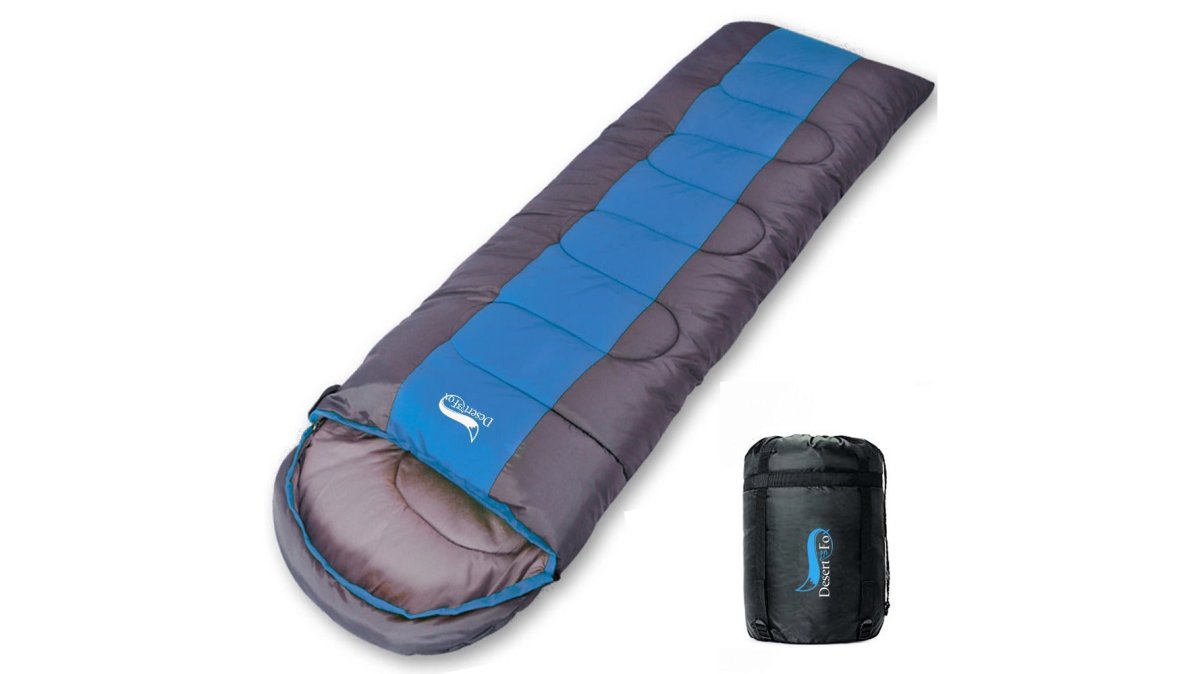
Understanding Temperature Ratings and Loft
Temperature rating is the lowest temperature at which a bag keeps an average sleeper comfortable. Loft is the height the insulation reaches laid flat; more loft means more trapped air.
Cold Weather Layering System Guide
The cold weather layering system guide follows one rule: manage moisture first, warmth second. If your base layer stays wet, no jacket will save you.
Base Layer, Mid-Layer, and Shell Jacket Choices
- Base layer: Wicks sweat off your skin. Merino wool or synthetic. Never cotton.
- Mid-layer: Traps heat. Fleece or a heated layer like the Men Intelligent Heated Hoodie with its five-zone heating system.
- Shell jacket: Blocks wind and precipitation. The Men's Blue Winter Ski Jacket uses waterproof, breathable fabric with a thick fleece lining and a detachable hood.
Breathability matters as much as warmth, a shell that traps sweat leaves you colder than no shell.

Best Four-Season Tents 2026: What to Look For
The best four-season tents 2026 share three traits: stronger poles, lower profiles, and cross ventilation that resists snow loading. A four-season tent sheds snow, stays standing in wind, and manages the moisture you exhale all night.
The Specs That Actually Separate Tents
- Pole strength and count: Aluminum over fiberglass for cold flexibility. A four-season tent typically uses three or four poles crossing at multiple points, versus two on a three-season dome, so the frame shares wind load.
- Ventilation: High and low vents that can be opened from inside. This is the single most important spec for winter, and it is the one buyers ignore.
- Guy-out points: Six to ten anchors is normal for a winter tent, giving better wind stability and letting you tension the fly away from the inner wall.
- Snow flaps: Fabric skirts that seal the gap between tent and ground. They block spindrift, but they also block airflow, which is why they must be paired with real vents.
- Interior volume: A winter tent is usually shorter and narrower than a summer tent of the same capacity. Less air to heat, less wall for condensation to form on.
Condensation: The Spec Nobody Puts on the Box
Condensation is a significant challenge in winter tents. Your breath releases moisture overnight. In a sealed tent, that moisture can condense on the coldest surface, the inner wall, then freeze, and when you shift, the frost can crack and rain ice onto your insulation.
- A high vent plus a low vent. Warm moist air exits the top, dry cold air enters the bottom. One vent alone just equalizes pressure without flushing moisture.
- A gap between the inner tent and the fly. If the fly touches the inner wall, you get a cold bridge and condensation forms right where you sleep. Stake the fly out so it stands off.
- A door cracked even in a storm. A two-inch gap at the top of the door moves more moisture than most people believe. Pitch the tent so the door faces away from the wind, then leave it cracked.
Pitching for Cold, Not for Rain
Clear sharp ice, stake everything out, and orient the low vent into the prevailing wind. In heavy snow, knock snow off the tent walls every few hours; a foot of fresh snow adds real weight and closes the vents you rely on.
Footwear and Traction Devices for Snow and Ice
Footwear for snow and ice needs insulation that keeps working when wet and grip that holds on ice. The Men's Winter Warm Snow Hiking Boots at $72.00 use a waterproof membrane sock, suede and fur upper, and a rubber outsole with a steel midsole. The fur lining holds warmth.
Traction devices sit over your boots.
Camping Sleeping Bag Lightweight Warm & →
Condensation, Fuel Efficiency, and Gear Maintenance
Condensation management, fuel efficiency calculations, and gear maintenance after cold exposure are the three topics most winter guides skip, and each has a specific mechanism you can plan around.
Condensation Management: Where the Water Goes
Every camper exhales moisture per night, and a stove adds more. In a sealed tent that vapor either exits through a vent, condenses on the inner wall, or condenses inside your sleeping bag. Only the first is acceptable.
- Vent high and low, every night. A high vent alone lets moist air escape but does not pull dry air in. Pair it with a low vent or a cracked door so you get a chimney effect: cold dry air enters low, warms, picks up moisture, and exits high.
- Dry the bag every morning before you pack. A bag stuffed damp stays damp. If the sun is out, drape it for 20 minutes; if not, wipe frost off the shell with a microfiber cloth before it melts into the insulation.
- Use a vapor barrier liner on multi-day trips. A thin vapor barrier worn inside the bag stops your body's moisture from reaching the down in the first place. It feels clammy, and that is the point, the moisture stays on your skin side of the barrier, where you can wipe it out, instead of soaking the loft.
Fuel Efficiency Calculations for Winter
Cold affects canister stoves by lowering the fuel's vapor pressure and cooling the canister as fuel evaporates, which can reduce output. A canister boiling a liter in warmer temperatures may take longer at colder temperatures, and the canister gets colder as it runs, which can further impact performance.
The practical math for a winter trip:
- Boiling water: Assume roughly double the fuel you would use in summer for the same volume. If a summer trip burns about 0.5 oz of fuel per liter boiled, plan on about 1 oz per liter in sustained cold.
- Melting snow: Melting snow into drinking water takes far more energy than boiling water you already have, because you must supply the latent heat of melting first. A common rule of thumb is three to five times the fuel of boiling the same volume of liquid water. Starting with a little liquid water in the pot and adding snow gradually is far more efficient than packing the pot with snow.
- Daily budget: A winter camper melting snow for drinking, cooking, and cleanup can easily burn 4 to 8 oz of fuel per day. A weekend trip with two people can consume a full 8 oz canister or more. Carry a spare.
Gear Maintenance After Cold Exposure
Freeze-thaw cycles are hard on gear in ways that are not obvious until the next trip: water expands when it freezes, and moisture trapped in fabric, insulation, or seams pries at the material from the inside.
- Sleeping bags: Dry completely before storage. Down that stays damp grows mildew and loses loft permanently. Never store a bag compressed, long-term compression crushes the loft structure and shortens the bag's useful life. Hang it loose or store it in a large cotton or mesh sack.
- Tents: Set the tent up dry at home, wipe the inner wall, and air it out before packing, frost that melts in a stuff sack becomes mildew. Check zippers for ice damage; forcing a frozen zipper strips the teeth.
- Shells and insulated jackets: Wash according to the manufacturer's instructions to restore the durable water repellent finish, then reapply a DWR treatment each season. A shell that wets out stops breathing, which brings the condensation problem right back.
- Boots: Dry at room temperature, never next to a fire or heater, direct heat cracks leather and breaks down adhesives. Remove liners if they come out and stuff the boots with newspaper to pull moisture from inside.
- Stoves: Empty fuel lines, check O-rings for cracking, and store canisters upright. Cold makes rubber seals brittle, and a cracked O-ring is a fuel leak.
Conclusion
Winter camping exposes every weak link in your kit. A cheap pad or a cotton base layer can turn a good trip into a cold, sleepless night, and the fix is usually a single piece of gear, not a whole new setup. AdventureTrailhead stocks the essentials for every system, from the 4 Season Sleeping Bag to waterproof, fleece-lined shells and insulated boots with steel midsoles.
Frequently Asked Questions
What is the best camping gear for cold weather camping in 2026?
For cold weather camping, prioritize a sleeping bag rated for your expected low temperatures, a four-season tent, an insulated sleeping pad with a high R-value, and layered clothing. AdventureTrailhead's 4-season sleeping bag ($97.00) handles winter comfort from 0 to 5°C, while the waterproof ski jacket ($115.00) and heated hoodie ($78.26) cover your layering and warmth needs. Winter hiking boots ($72.00) with a waterproof membrane round out the essentials.
How does R-value affect winter camping sleeping bag performance?
R-value measures thermal resistance: higher numbers mean better insulation against ground cold. A sleeping pad with R-value 5 or above suits winter trips, while 2 to 3 works for summer. Your sleeping bag's temperature rating and fill weight matter too. AdventureTrailhead's 4-season sleeping bag uses 100% cotton fill and has a winter comfort temperature of about 0~5℃~10℃, so pair it with a high-R-value pad for colder nights.
What should I look for in a cold weather layering system?
A three-layer system works best: a moisture-wicking base layer, an insulating mid-layer like fleece, and a windproof, waterproof shell jacket. AdventureTrailhead's heated hoodie ($78.26) uses a five-zone heating system for extra warmth, and the ski jacket ($115.00) has a thick fleece lining and detachable hood. This combination handles moisture management, insulation, and weather protection in one setup.
How cold is too cold to camp in a tent?
There is no fixed cutoff, but most three-season tents become uncomfortable below freezing due to condensation and poor insulation. A four-season tent with double walls and sturdy poles handles sub-zero conditions better. Your sleeping bag rating, pad R-value, and layers determine your real comfort limit. AdventureTrailhead's sleeping bag has a winter comfort temperature of about 0~5℃~10℃, so below that you may need additional insulation.
How do I compare synthetic versus down insulation for winter trips?
Down insulation offers better warmth-to-weight ratio and packability but loses loft when wet. Synthetic fill dries faster and performs better in damp conditions. For cold weather camping, down works well in dry climates, while synthetic suits wet or humid environments. AdventureTrailhead's sleeping bags use 100% cotton fill, which provides a soft and cozy feel for a restful night’s sleep.